What do people eat in Japan?
In Japan most meals are built around a bowl of rice with soup and small side dishes. Lunch is often quick, ramen, udon or a bento, and dinner is the main meal, at home or in an izakaya.
Typical dishes and their calories
Breakfast
A traditional breakfast is rice, miso soup of about 40 kcal a bowl, grilled salmon, pickles and often natto, sticky fermented soybeans. Tamagoyaki, a rolled omelette, is common too. Many people in cities now have toast and coffee on weekdays and keep the full Japanese breakfast for weekends or a night at a ryokan.
Lunch
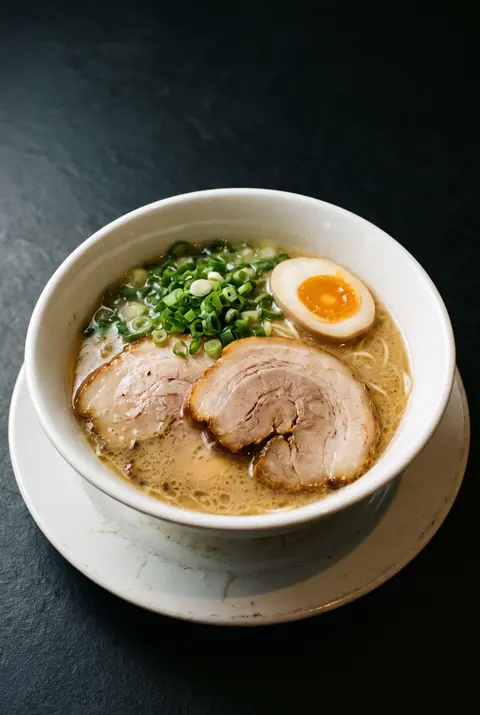
Lunch is around noon and usually quick. Office workers eat a bento, a boxed meal of rice with fish or meat and vegetables, from home or a shop, or go out for a bowl of ramen, about 650 kcal, or udon, about 390. A teishoku set, a main dish with rice, miso soup and pickles, is the standard cheap restaurant lunch.
Dinner
Dinner is the main meal, often around 19:00. At home it follows the idea of ichiju sansai, one soup and three dishes with rice, for example grilled fish, simmered vegetables and tofu. Japanese curry with rice is a family favourite, and katsu curry with a breaded pork cutlet comes to about 850 kcal.
Starters
Japanese meals are not really served in courses, the small dishes come to the table with the rice. In an izakaya, a casual pub, your first drink often comes with otoshi, a small dish you pay for as a seat charge. Edamame, salted soybeans in the pod, about 120 kcal a bowl, go with the first beer.
Desserts
Traditional sweets are called wagashi and are eaten with green tea in the afternoon rather than after dinner: mochi, dango on a stick, and dorayaki, two small pancakes with sweet red bean paste. After a meal people more often have fruit. Western cakes are popular too, and strawberry shortcake is the classic Christmas cake.
Drinks
Green tea is served free with many meals, and in summer cold barley tea, mugicha. With dinner people drink beer, sake (rice wine of about 15 percent) and shochu, often mixed with water or soda. Drinks vending machines stand on almost every street, selling hot and cold cans.
Street food
At festivals and markets yatai stalls sell takoyaki, batter balls with octopus, about 280 kcal for six, yakisoba noodles, yakitori skewers and taiyaki, fish shaped cakes filled with red bean paste. Osaka is known for takoyaki and okonomiyaki, a savoury pancake cooked on a hot plate.
Normal there, odd elsewhere
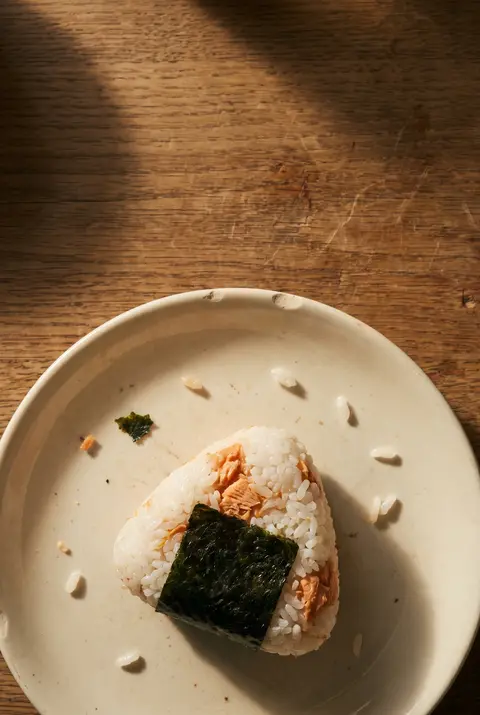
Convenience stores, konbini, are a real place to eat: there is about one for every 2,000 people, open day and night, selling onigiri rice balls of about 180 kcal, bento the staff heat for you, and fresh sandwiches. Slurping noodles loudly is normal and polite. And for many families Christmas dinner is a bucket of KFC, often ordered weeks ahead.