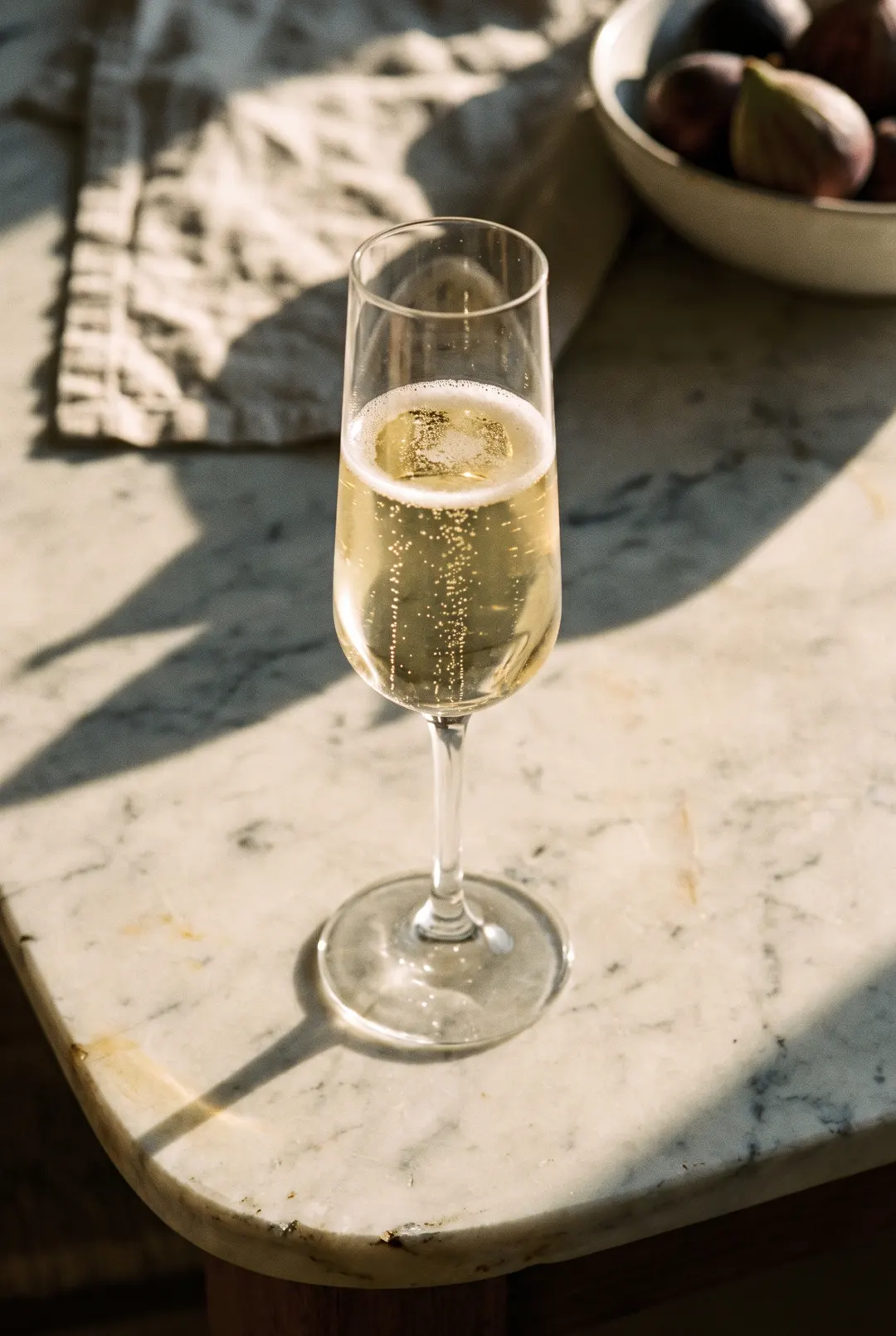
Left alone, a flute of champagne gives off about a million bubbles, a chemist worked out. The 15 million you often hear was off by quite a bit.
Short, checked facts about coffee, tea, soft drinks, alcohol and everything else you pour into a glass.
Left alone, a flute of champagne gives off about a million bubbles, a chemist worked out. The 15 million you often hear was off by quite a bit.
Alcohol itself has 7 kcal per gram, almost as much as a gram of fat. That's before any sugar or mixer joins in.
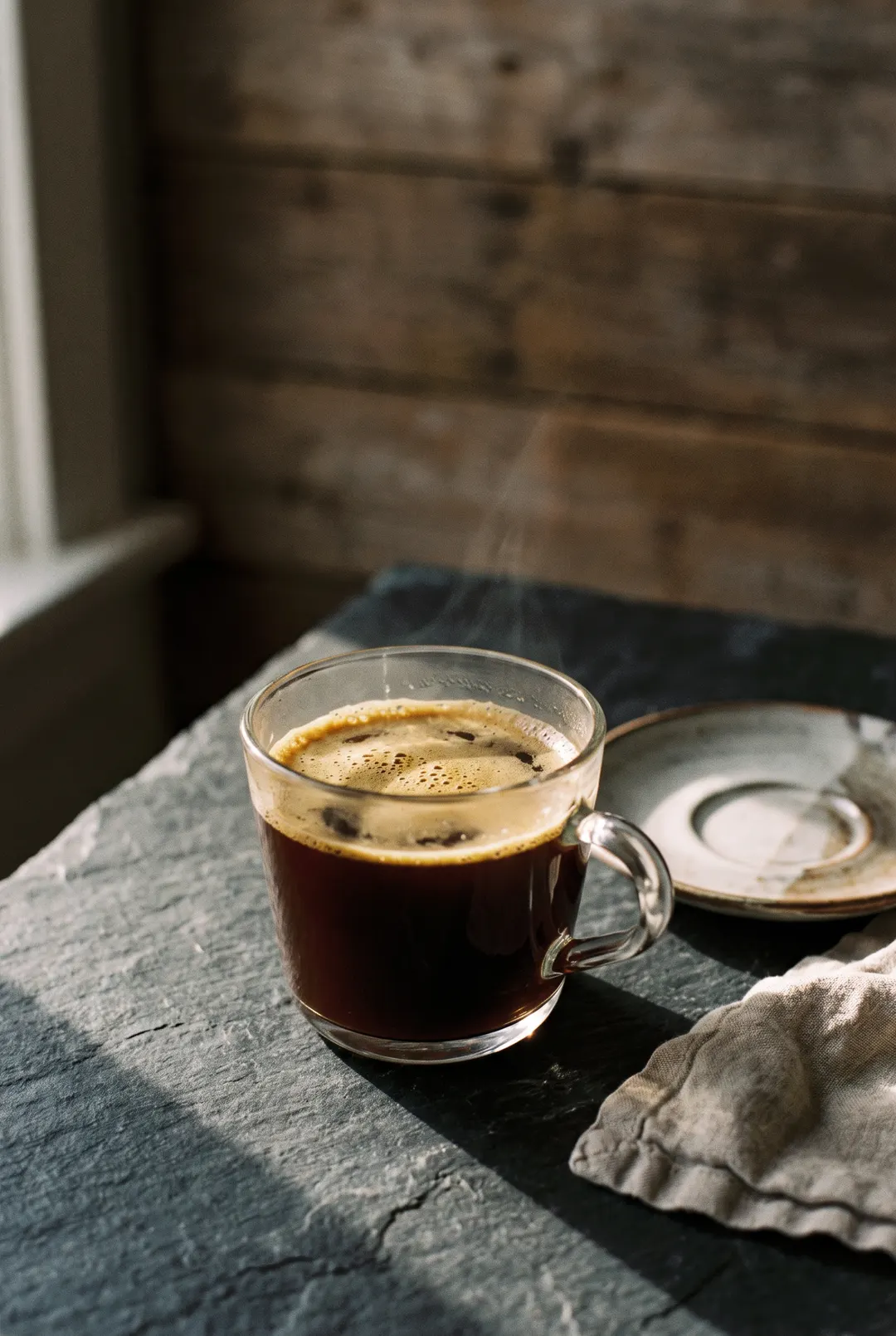
Decaf isn't caffeine free. A 240 ml cup of decaf coffee usually still has 2 to 15 mg of caffeine.
Up to 60% of an adult body is water. Your brain and heart are about 73% water, your lungs about 83%.
Gatorade was invented in 1965 at the University of Florida for its football team, the Gators. That's the whole story behind the name.
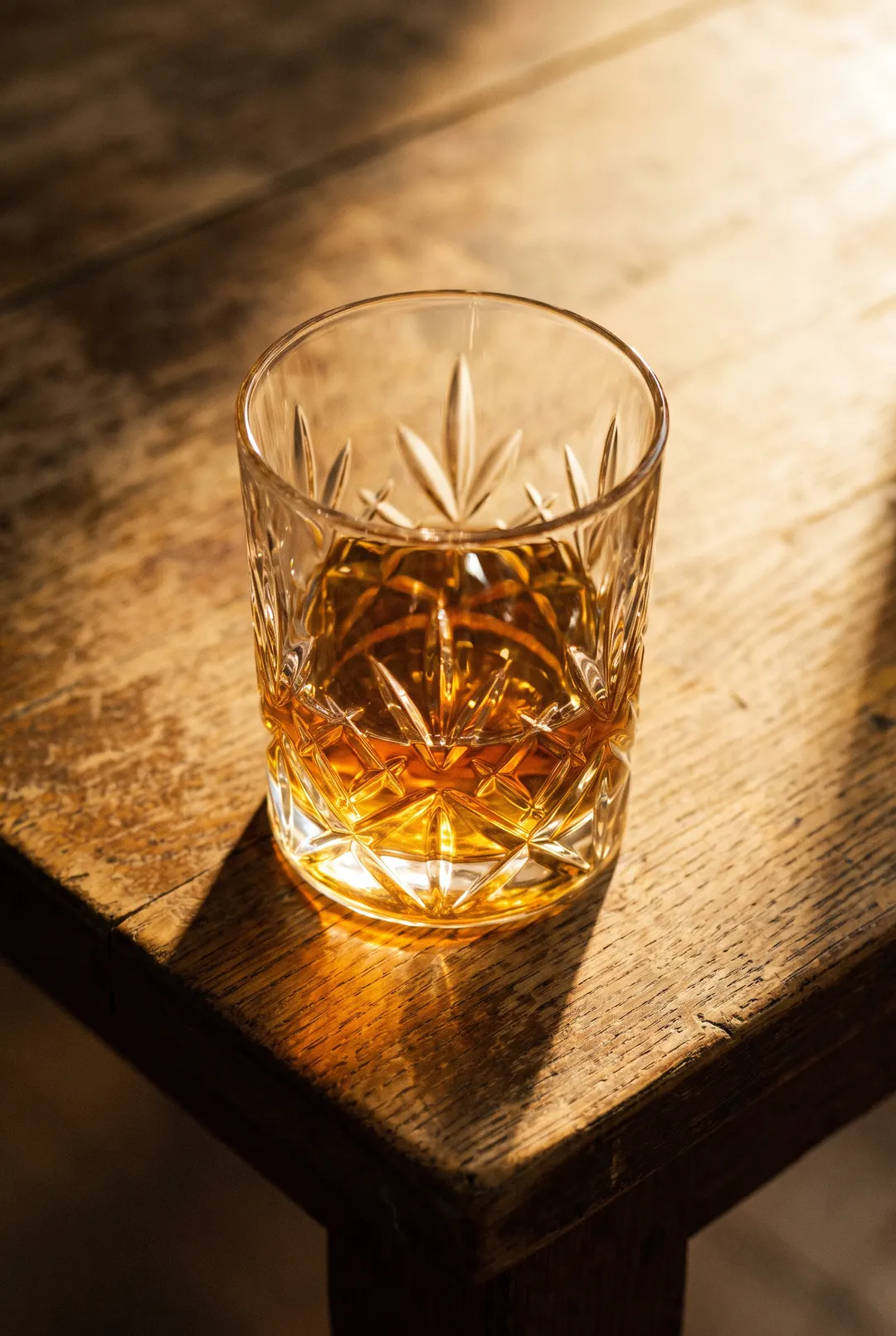
To be called Scotch, whisky must age at least three years in oak casks in Scotland and be bottled at 40% or stronger. It's written into law.
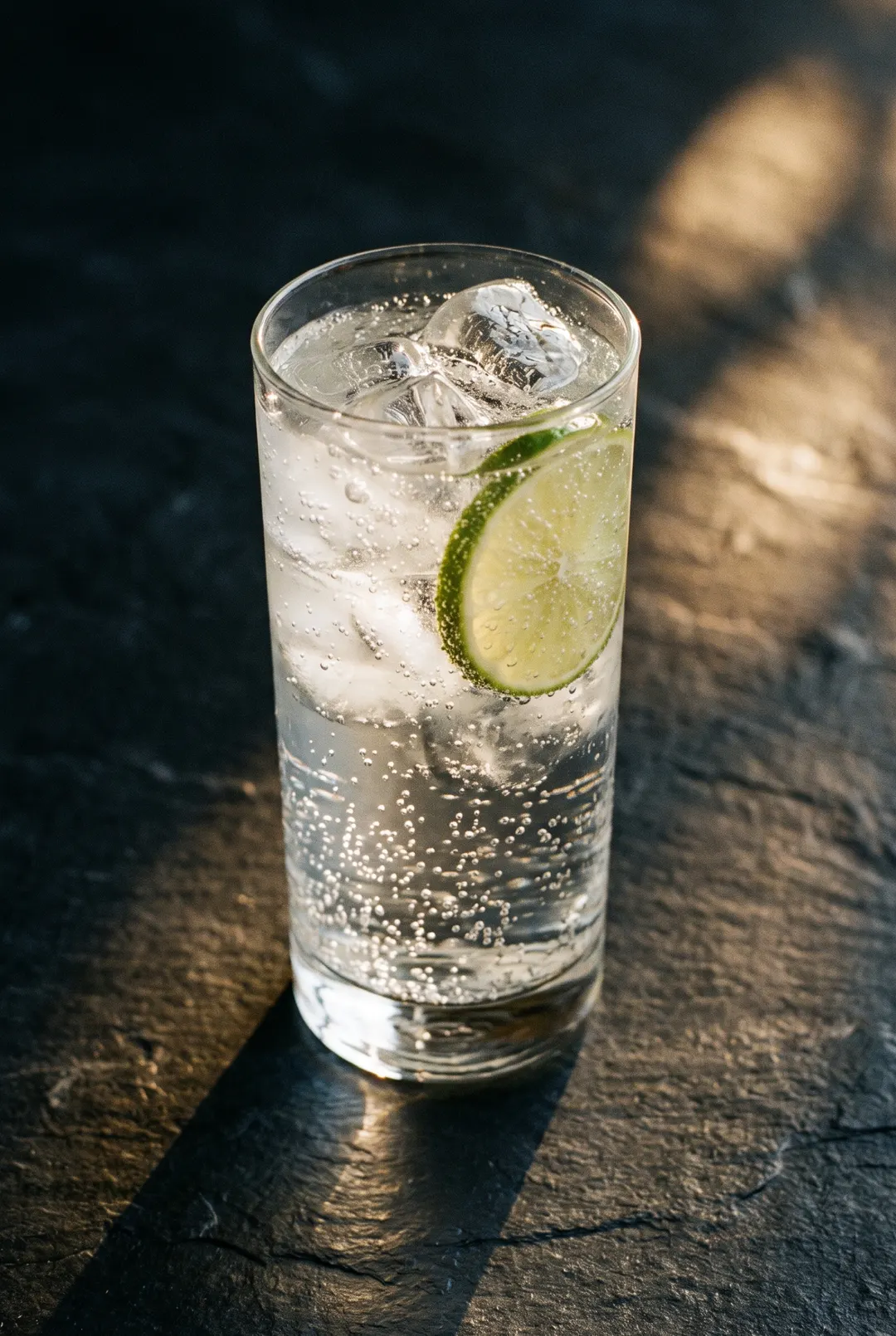
Tonic water glows blue under a black light. The quinine in it soaks up UV and gives it back as visible light, so your gin and tonic glows too.
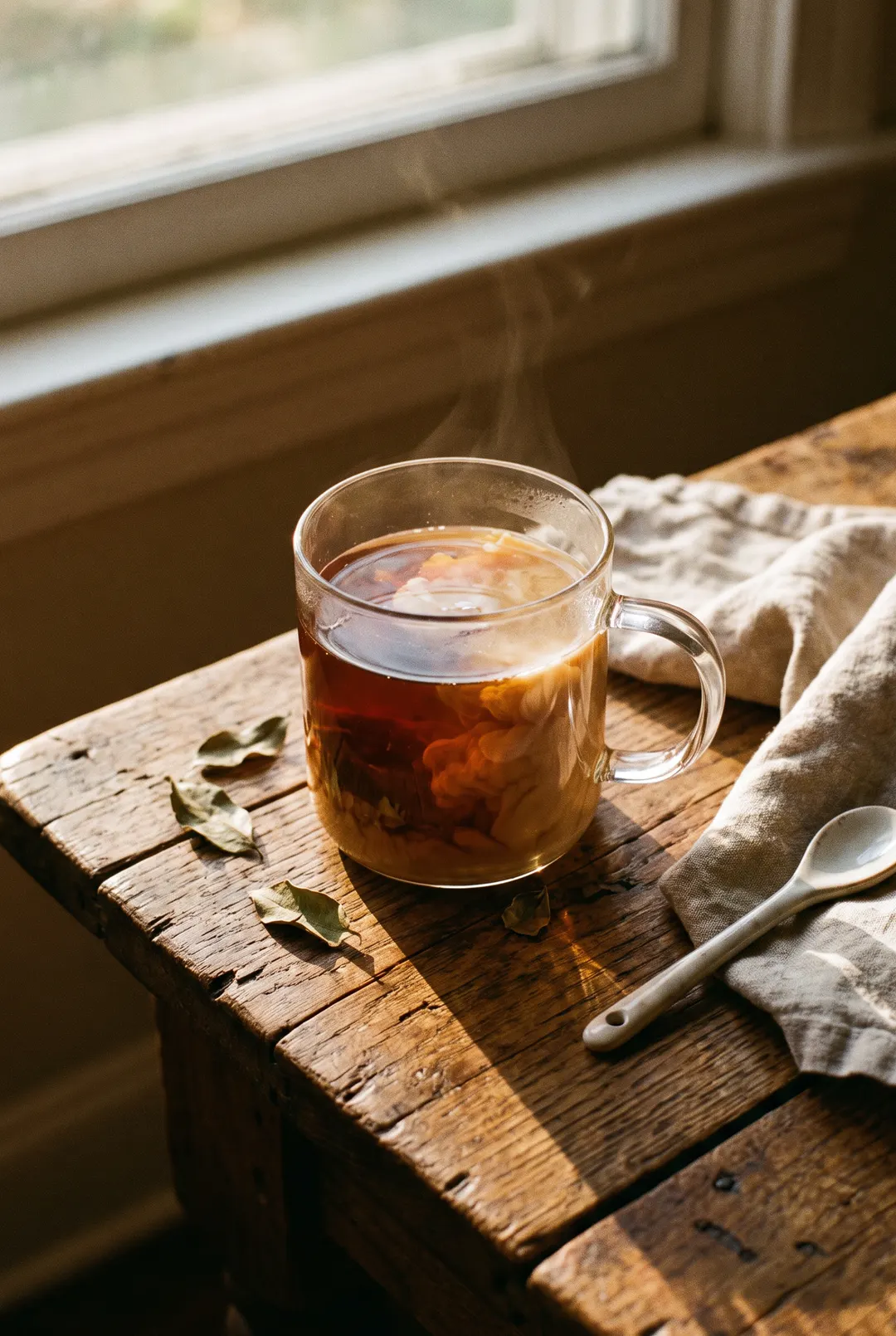
After water, tea is the most consumed drink in the world, according to the UN's food and agriculture agency.
Black, green, oolong and white tea all come from one plant, Camellia sinensis. What changes is what happens to the leaves after picking.
A coffee cherry usually holds two beans. In about 5% of the world's coffee there's only one, and it gets its own name: a peaberry.
A 250 ml can of Red Bull has 80 mg of caffeine. By the brand's own count, that's about the same as a cup of coffee brewed at home.
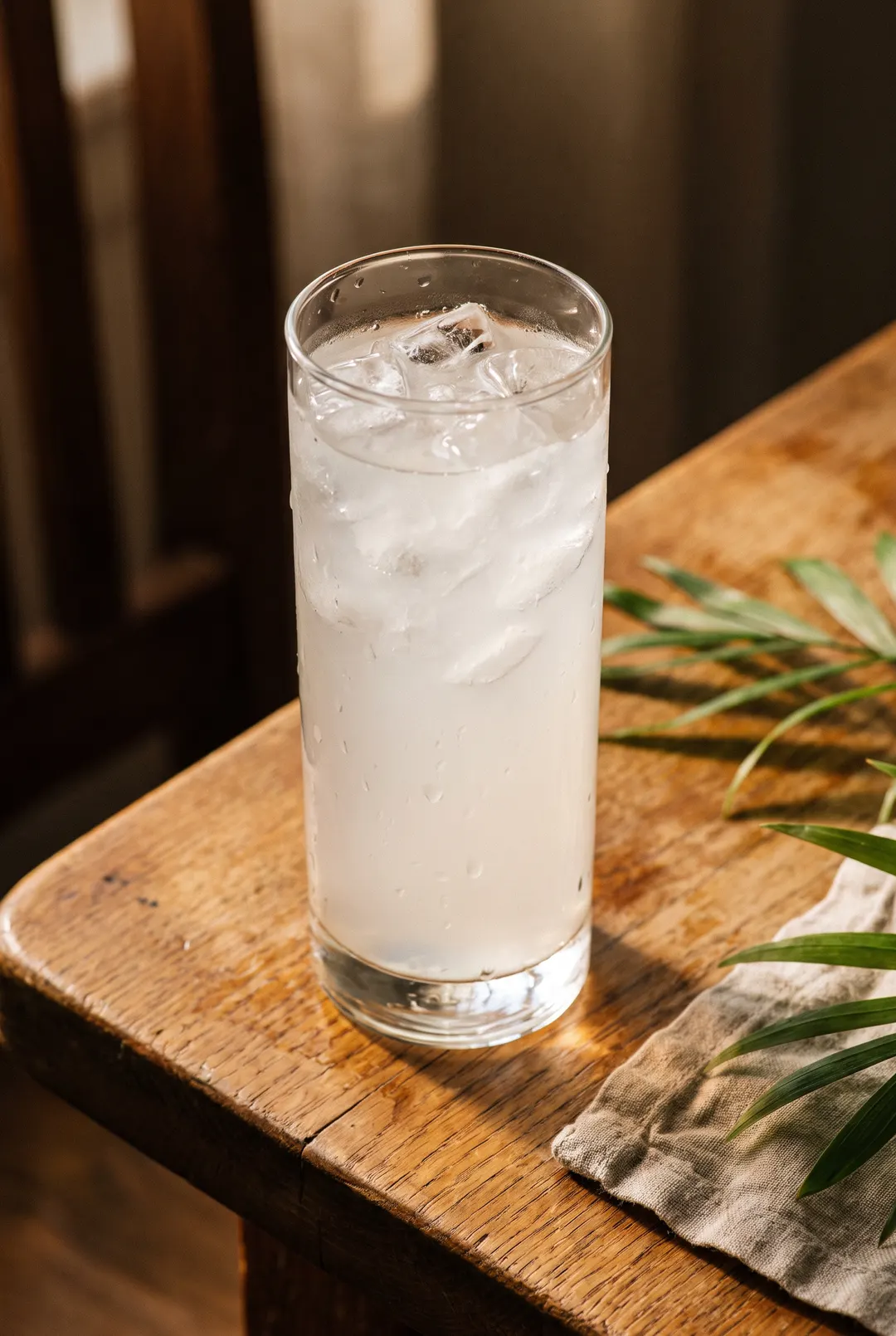
Coconut water lives up to its name: it's about 95% water. 100 ml comes to roughly 19 kcal.
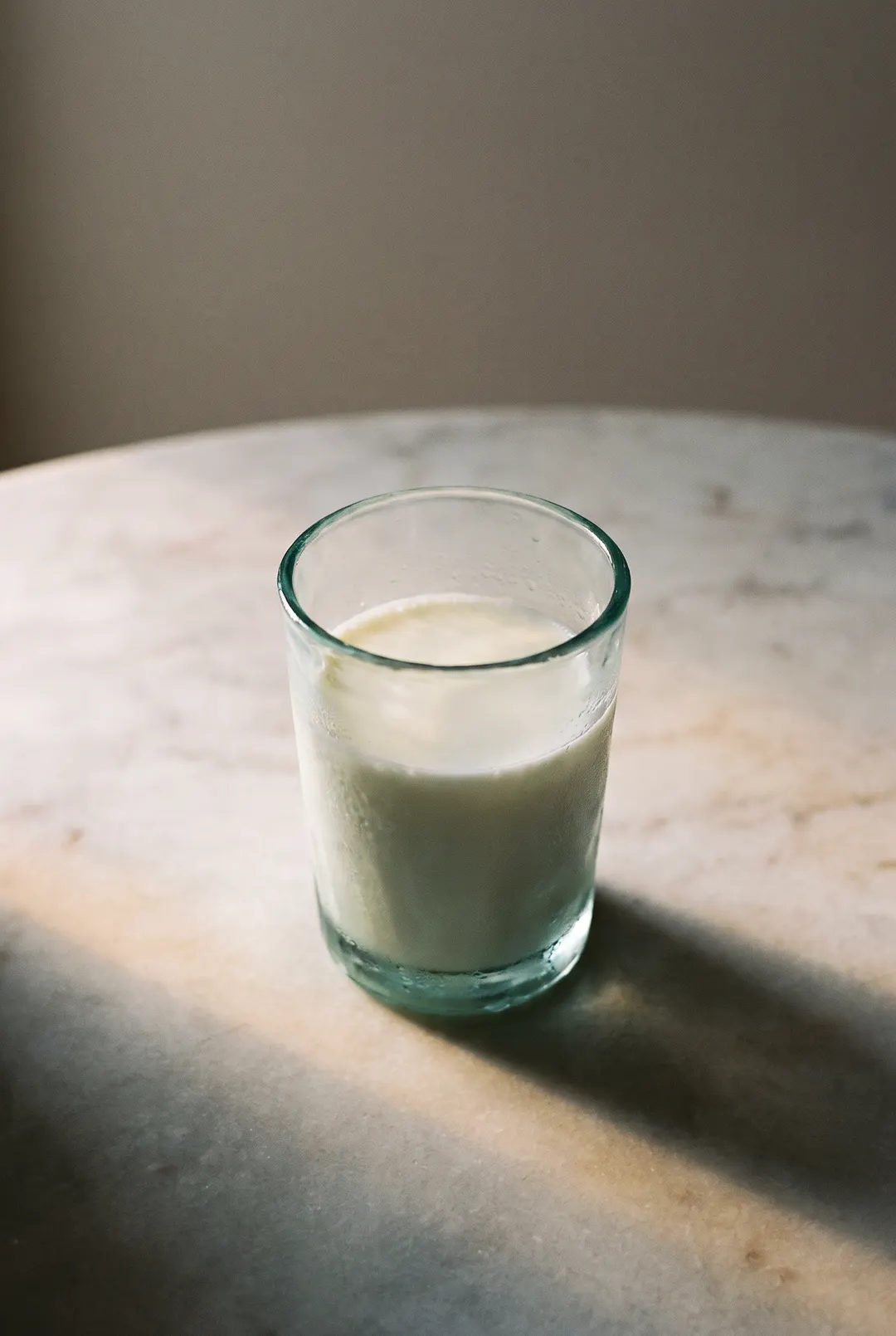
Whole milk is about 88% water. All the fat, protein and milk sugar fit into the other 12%.
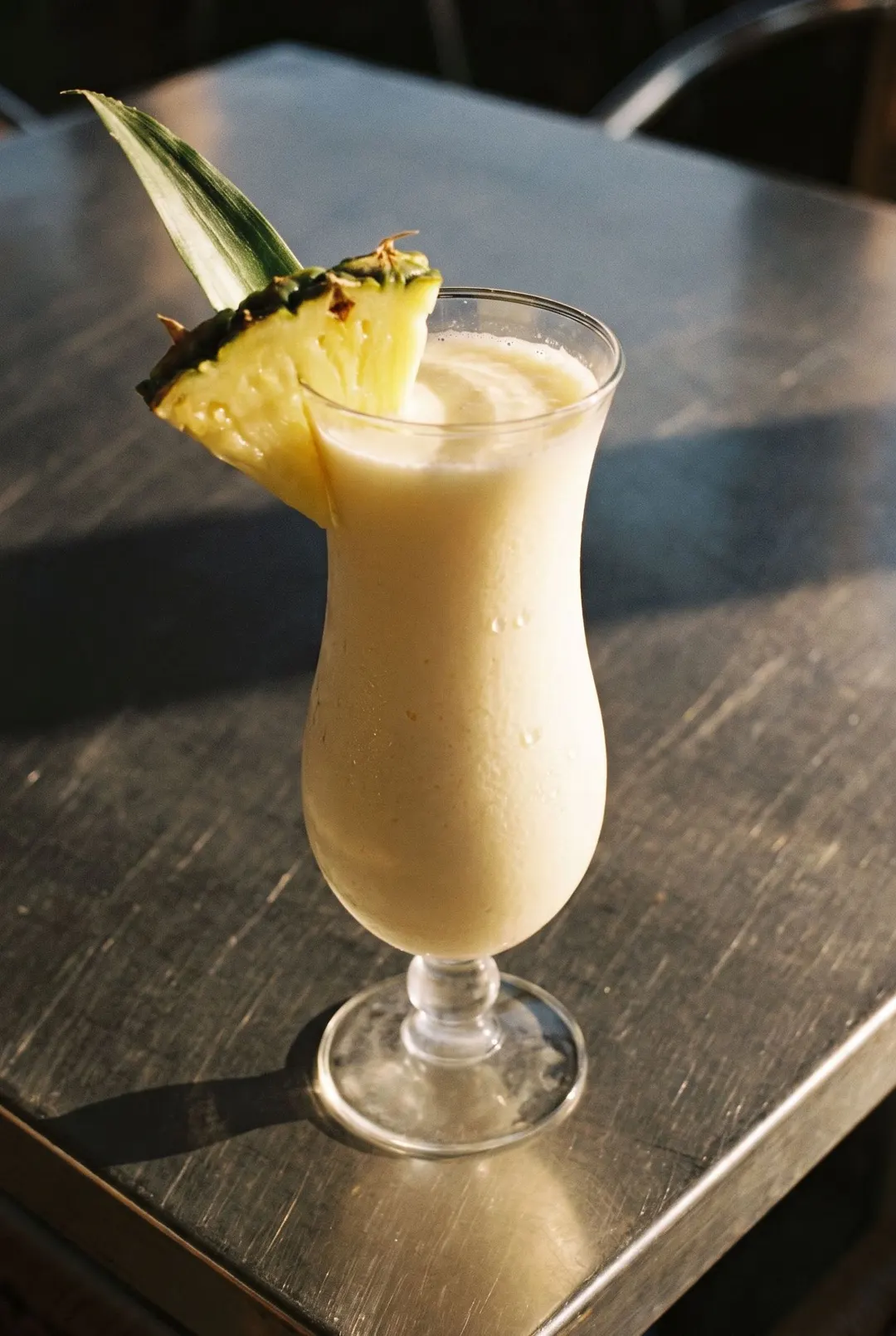
The piña colada has been Puerto Rico's official drink since 1978. The Caribe Hilton in San Juan says its bartender first mixed one in 1954.
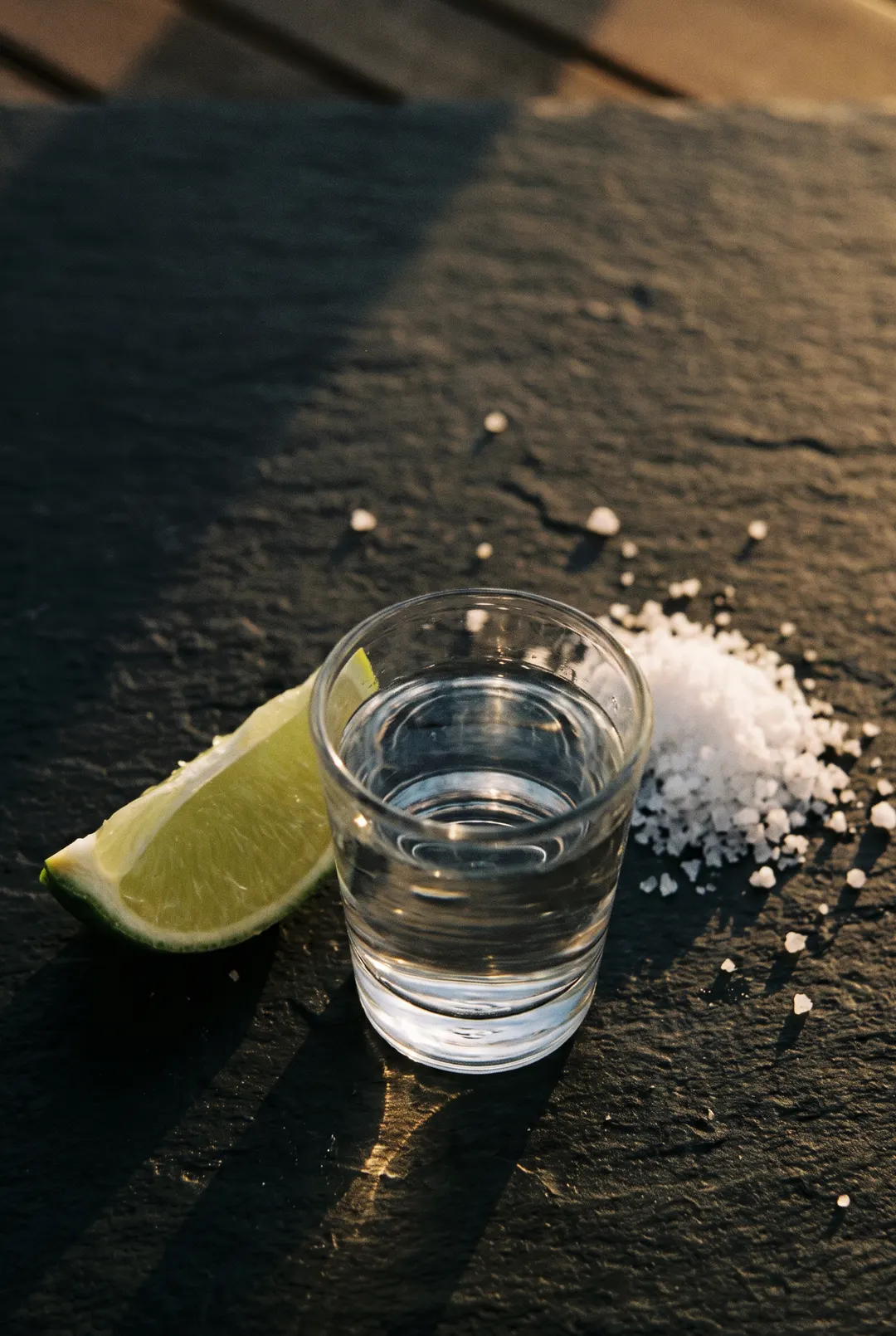
The blue agave used for tequila needs about 8 to 14 years in the ground before its heart is ready to harvest.
Tequila can only come from five Mexican states. In 1974 it became the first Mexican product with a protected appellation of origin.
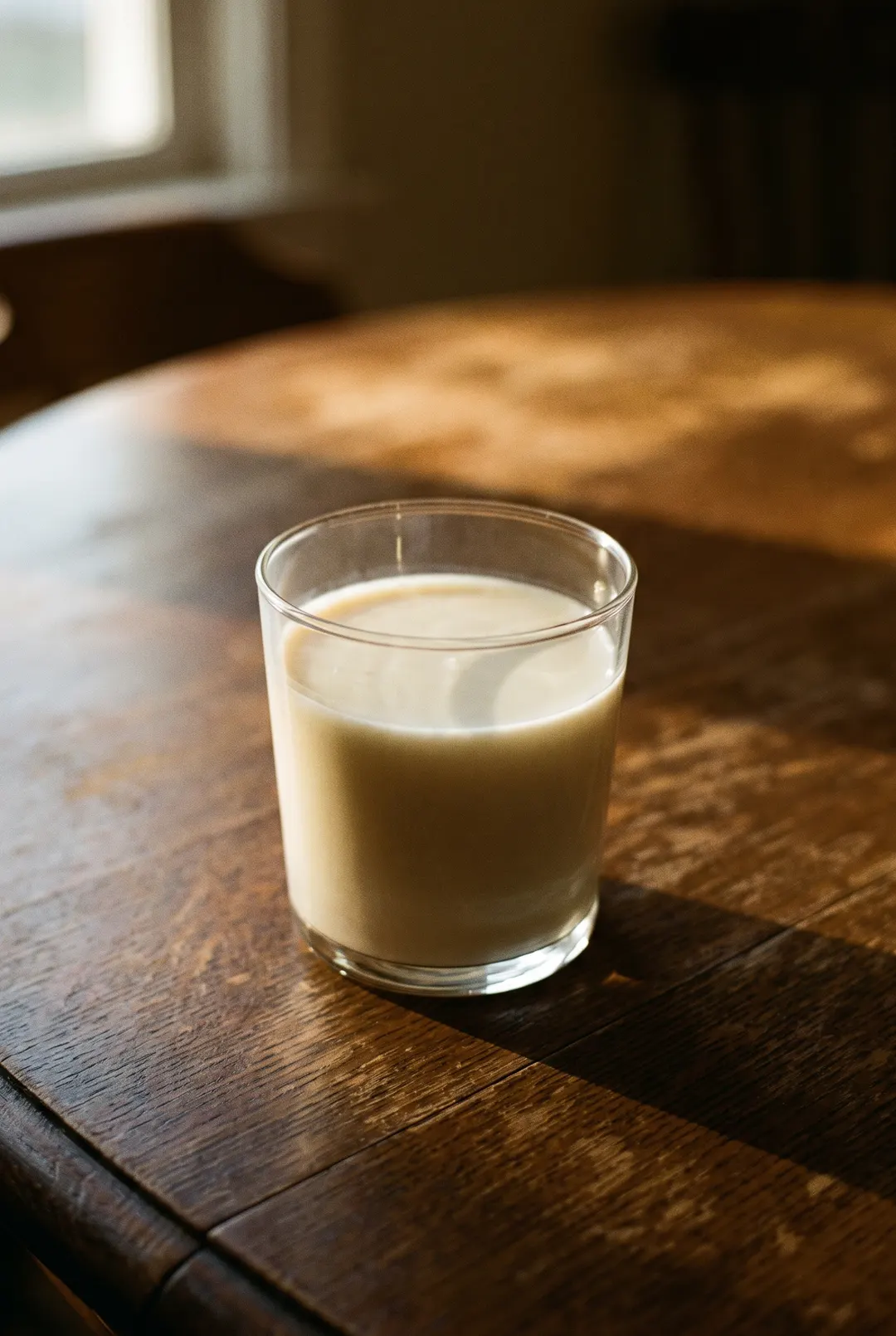
Oat drink grew out of lactose intolerance research at Lund University in Sweden in the 1980s. Oats won partly because some people react to soy.
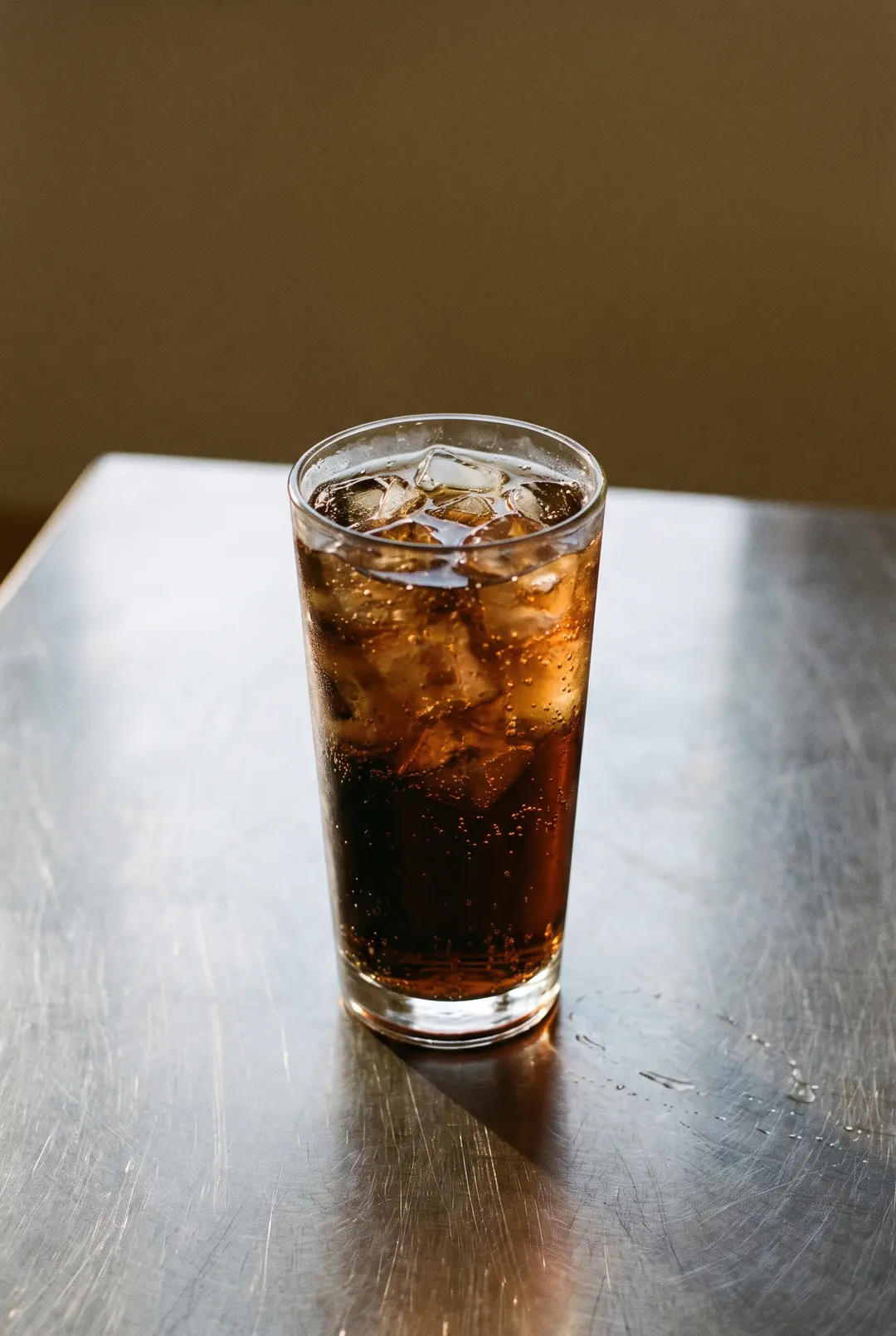
In its first year, 1886, Coca-Cola sold about nine drinks a day, poured at a pharmacy in Atlanta.
A 330 ml can of Coca-Cola holds 35 g of sugar, about 7 teaspoons. That sugar is nearly all of its 139 kcal.
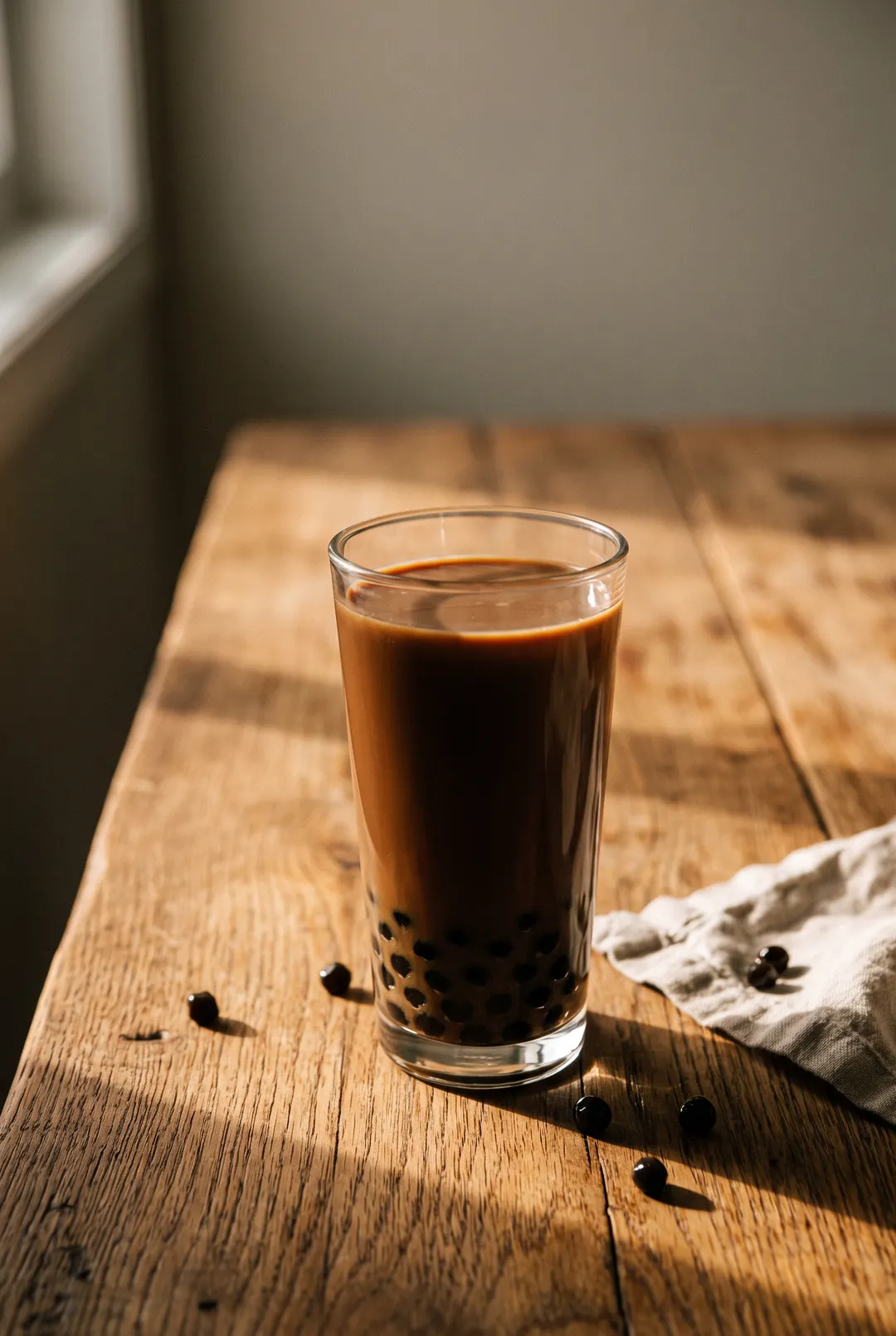
Two Taiwanese teahouses both say they invented bubble tea in the 1980s and took each other to court over it. Neither ever patented the drink.
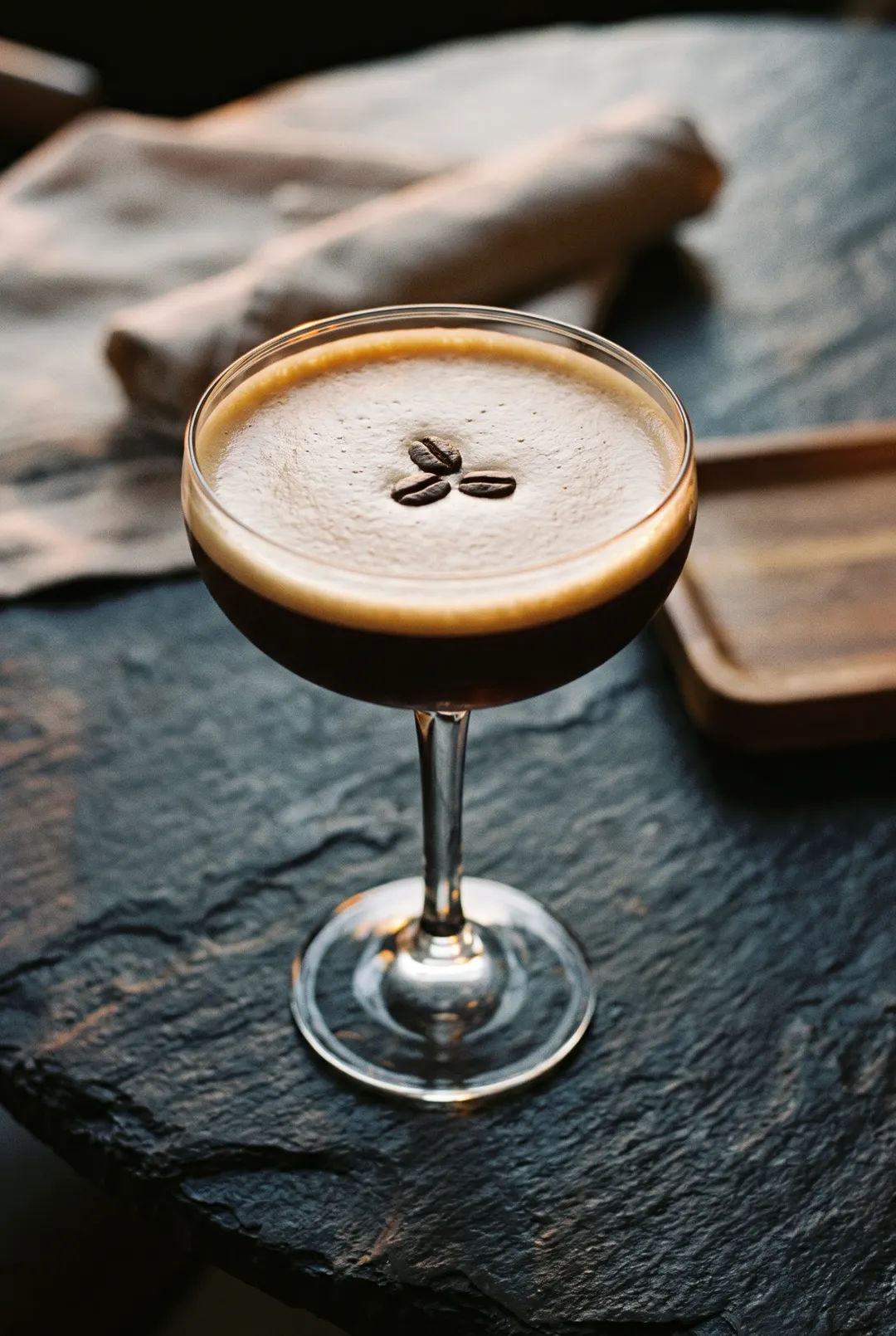
The espresso martini started life as the Vodka Espresso. Its creator, London bartender Dick Bradsell, later served it as the Pharmaceutical Stimulant.
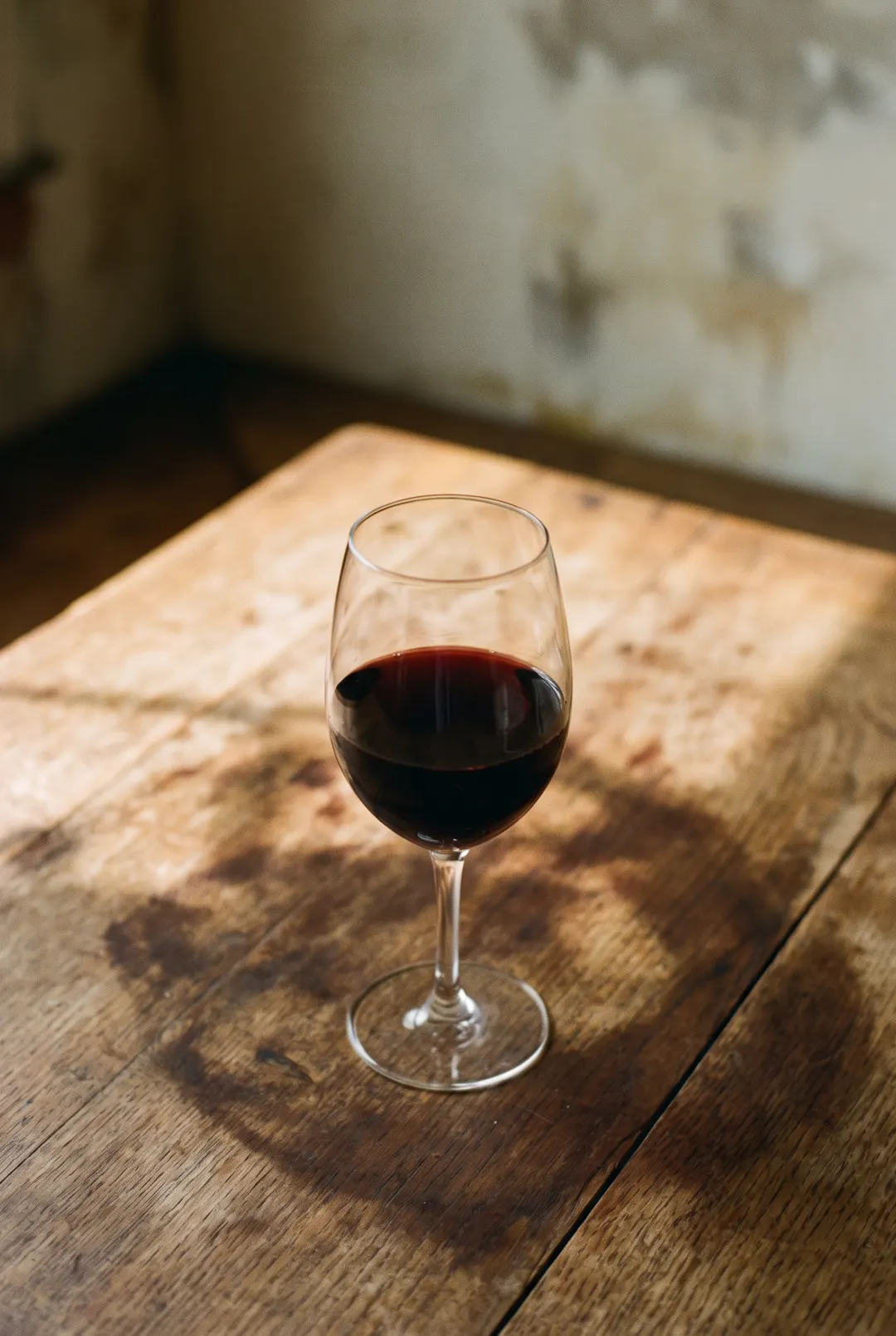
Four bottles of 12% wine a month add up to as much as 32,400 kcal over a year, the NHS calculates.
Tea has about half the caffeine of coffee, and even less if you pull the bag out sooner.
An average coffee tree gives about 4.5 kg of cherries a year. That ends up as roughly 0.9 kg of green coffee beans.
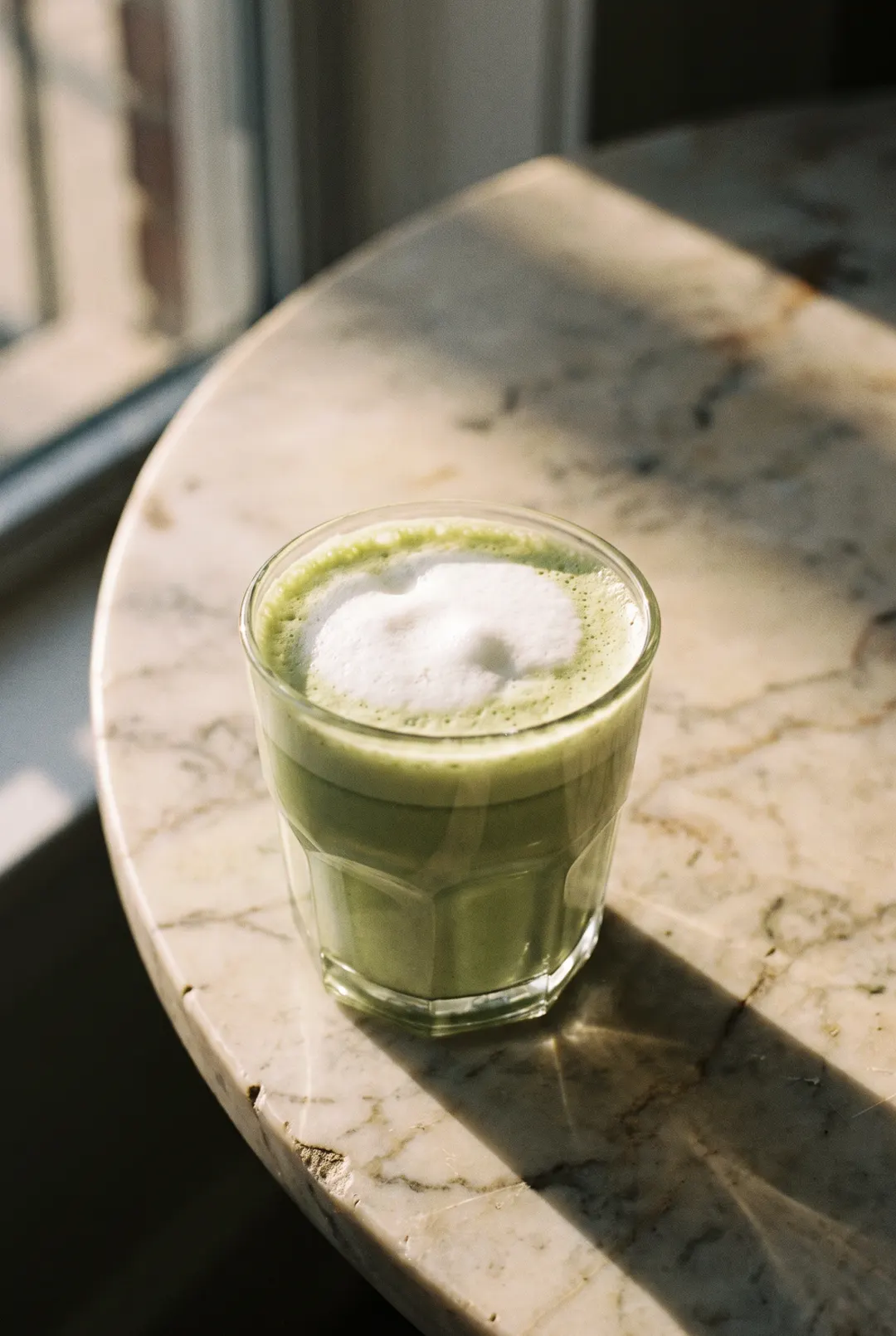
With matcha you drink the leaf itself. Dried green tea leaves are ground into a fine powder and whisked in, rather than steeped and thrown out.