What do people eat in Brazil?
Lunch is the main meal in Brazil, and most days it is rice and beans with meat and salad. Breakfast is light and dinner is usually smaller than lunch.
Typical dishes and their calories
Breakfast
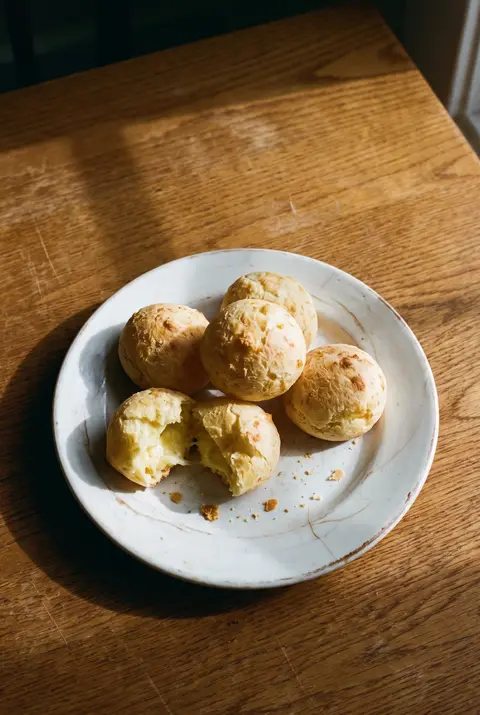
Café da manhã is light: a cafezinho or coffee with milk, bread with butter, cheese or ham, and fruit like papaya or banana. Pão de queijo, small cheese buns made with cassava starch from Minas Gerais, often go with the coffee, about 330 kcal for five.
Lunch
Almoço, from about 12:00, is the main meal. The base is arroz e feijão, rice and beans, with meat, salad and farofa, toasted cassava flour. Many workers eat a prato feito, a set plate, or go to a restaurante por quilo, a buffet where you pay by the weight of your plate.
Dinner
Jantar is usually from 19:00 or 20:00 and smaller than lunch: rice and beans from midday, a soup, a sandwich, or bread and coffee. On weekends families get together for a churrasco, grilled meat where picanha, the rump cap with its layer of fat, is the favourite cut.
Starters
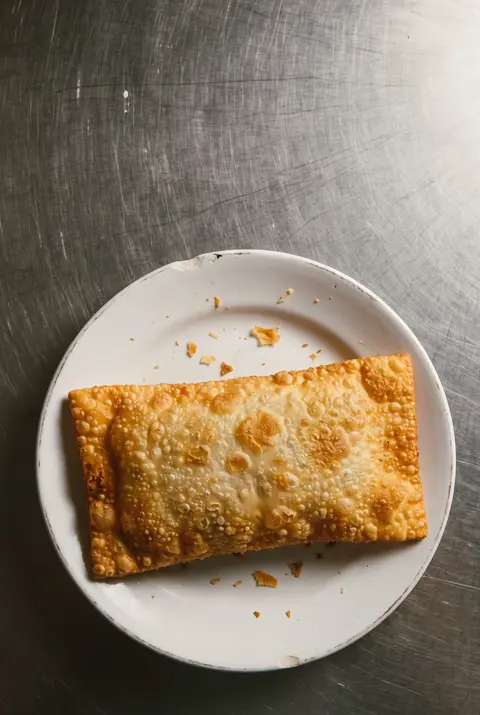
Meals and parties often start with salgadinhos, small savoury snacks like coxinha, shredded chicken in a teardrop of dough, fried. In a boteco, plates of pastel, fried cassava and cheese bread come with the first beer. At a churrascaria the salad buffet comes before the meat.
Desserts
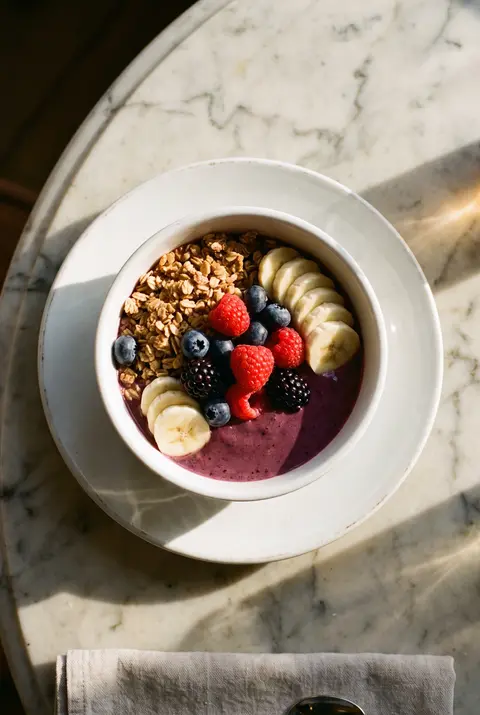
Brigadeiro, a ball of condensed milk, cocoa and butter rolled in chocolate sprinkles, is at every birthday party, about 85 kcal each. Pudim, a condensed milk flan, and quindim, a yellow sweet of coconut and egg yolk, are classics too. An açaí bowl with banana and granola is about 450 kcal.
Drinks
Cafezinho, a small strong sweet coffee, is offered all day and to every guest. Guaraná is the national soft drink. Beer is served very cold, and a caipirinha is cachaça, lime, sugar and ice, around 230 kcal a glass. On the beach, coconut water is drunk straight from the coconut.
Street food
Pastel, a thin fried pastry filled with cheese or meat, is eaten at street markets with a glass of sugarcane juice. Coxinha and pão de queijo are sold in every bakery and snack bar. In Bahia, acarajé, a black-eyed pea fritter fried in palm oil and filled with shrimp, is sold by women in white dresses.
Normal there, odd elsewhere
Avocado is a sweet food: it is blended with milk and sugar into a vitamina, or eaten with sugar and lime. In Pará, açaí is eaten unsweetened with fried fish and cassava flour as part of lunch. And feijoada has its own days, mostly Wednesday and Saturday.