Your brain is about 2% of your body weight but uses about 20% of the energy you burn at rest, around 260 kcal a day.
Facts about sport and exercise
What moving really burns, how top athletes eat and a few myths that turned out not to be true.
Thinking really hard barely burns extra calories. Next to what your brain uses anyway, the bump from a tough exam is tiny.
Michael Phelps says the famous 12,000 kcal a day diet was never true. His own guess is 8,000 to 10,000, still about 76 to 95 medium bananas.
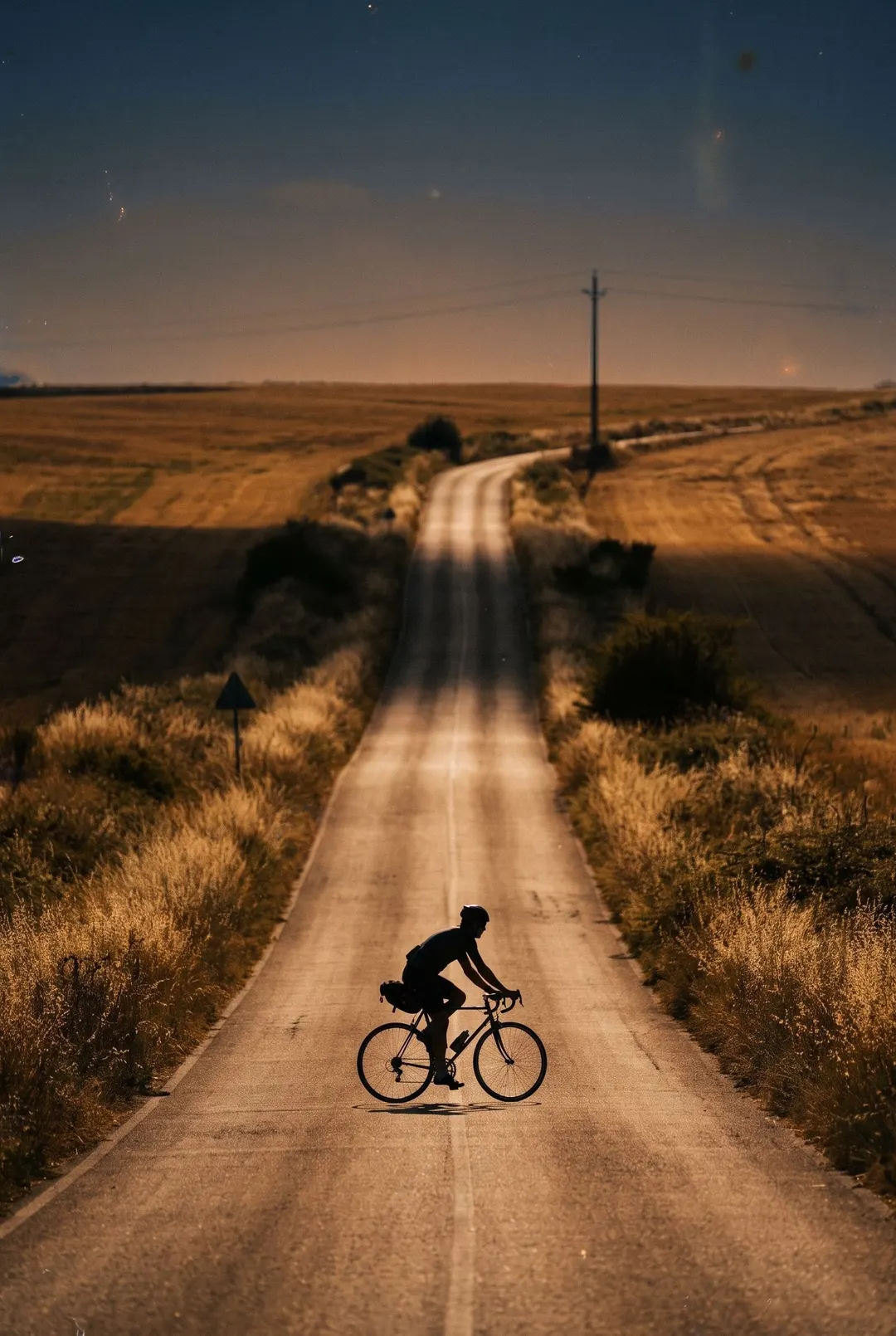
Tour de France riders in a 1989 study burned about 6,000 kcal a day on average, and close to 7,800 kcal on the hardest days.
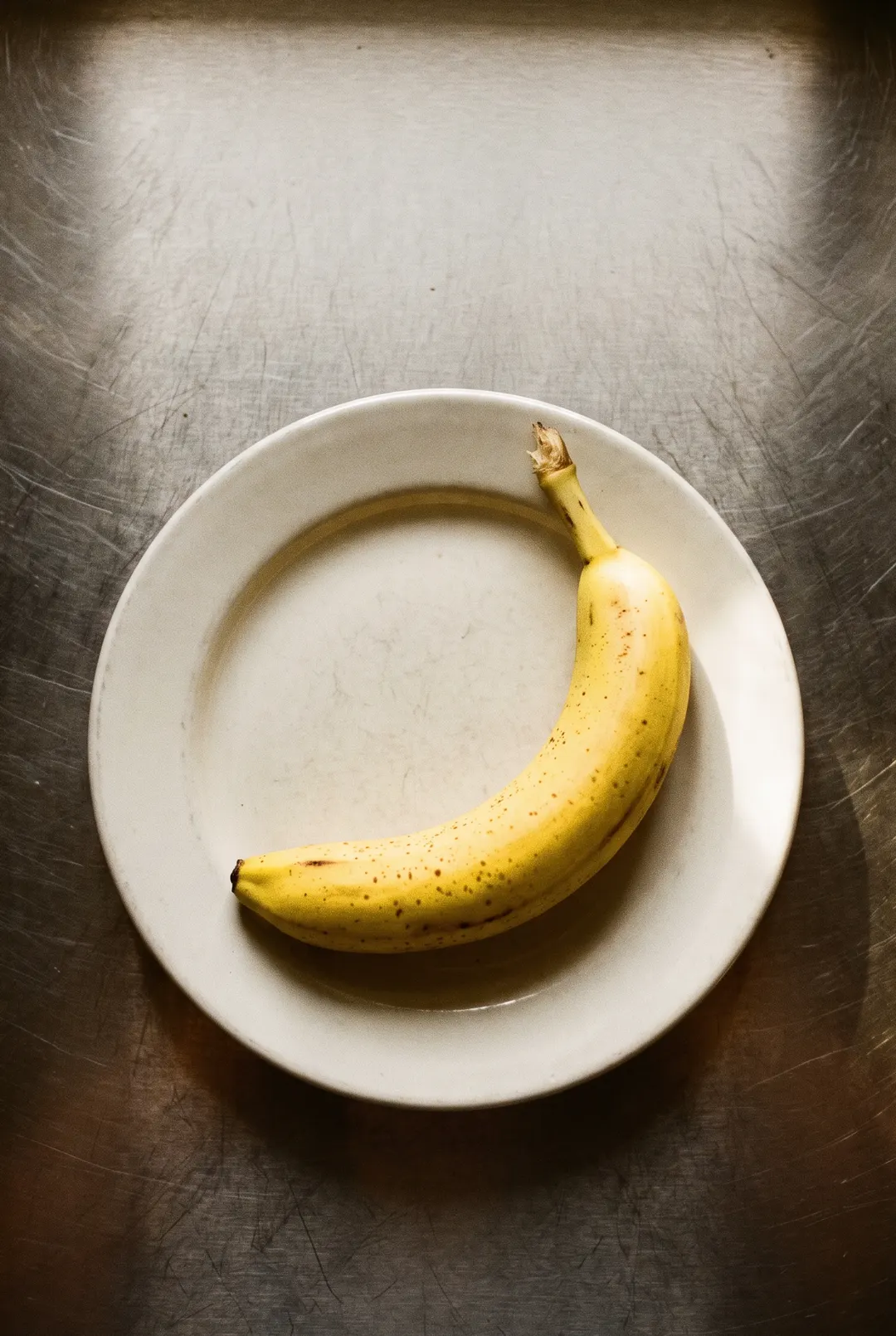
Tour de France riders ate about half their food on the bike, around 94 g of carbs an hour. That is the carbs of three and a half bananas, every hour.
Riders in the Tour de France drank about 6.7 litres of fluid a day, and up to 11.8 litres on the most extreme days.
The first Tour de France, in 1903, was a stunt to sell a newspaper. Its six stages averaged about 400 km, and only 21 of the 60 starters finished.
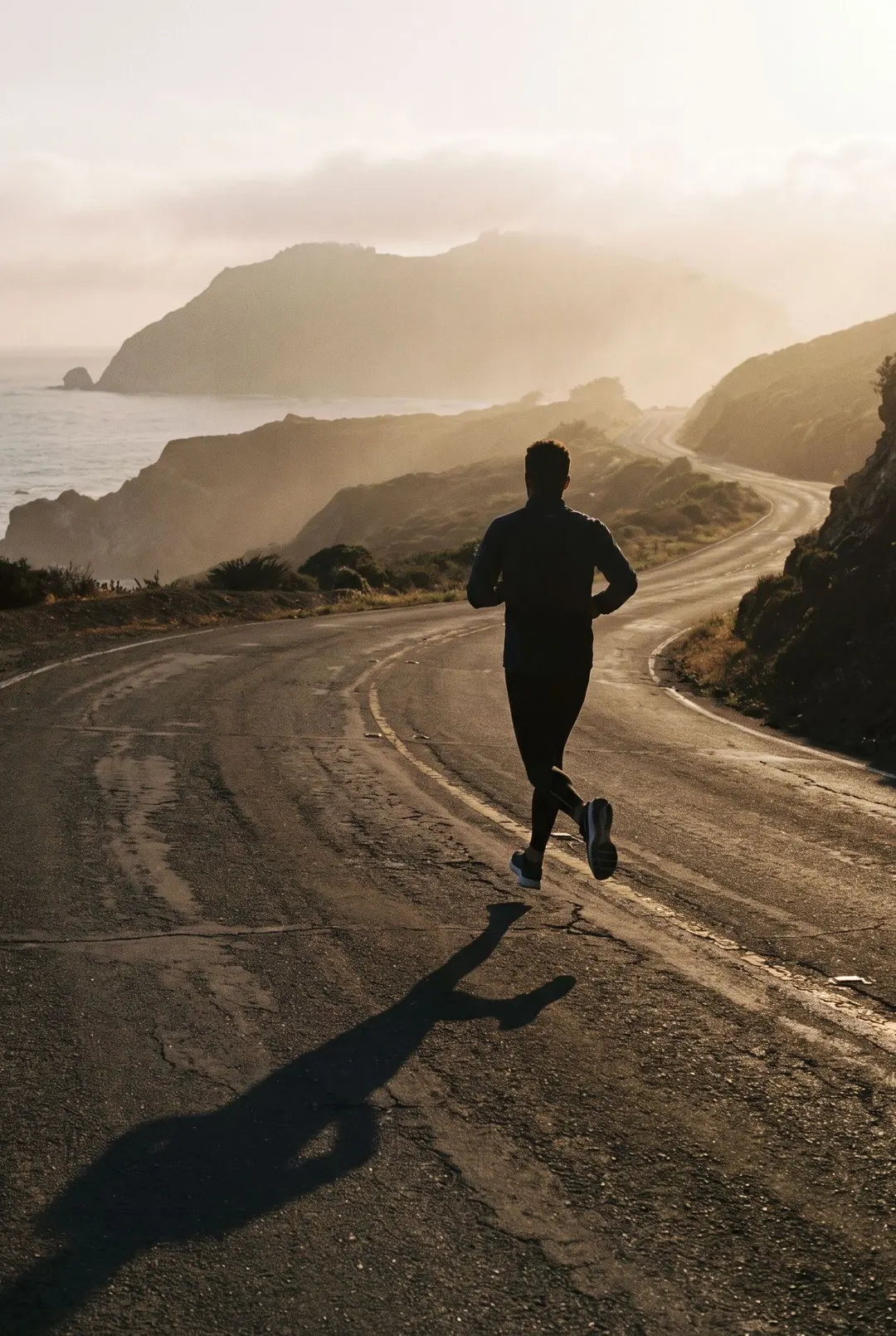
Running burns roughly 1 kcal per kilo of body weight per kilometre. For someone of 70 kg, a marathon comes to about 2,950 kcal.
More than two in five marathon runners run so low on stored carbs that it slows them down. It tends to hit around the 34 km mark.
Your liver stores about 350 kcal of carbs, roughly what a 5 km run burns for someone of 70 kg.
At normal running paces, the energy a kilometre costs barely depends on speed. A slow 5 km and a fast one burn about the same.

The Hadza of Tanzania walk about 6 to 11 km a day to find food, yet burn about as many calories as Europeans and Americans of the same size.
The energy people burn through everyday moving, like fidgeting, walking around and standing up, can differ by up to 2,000 kcal a day between people.
The 10,000 steps goal comes from a 1965 Japanese pedometer called Manpo kei, meaning 10,000 steps meter. Walking them burns about 400 kcal at 70 kg.
The 10,000 steps number was a marketing name, not science. In a Harvard study of older women, the benefit of extra steps levelled off at about 7,500 a day.
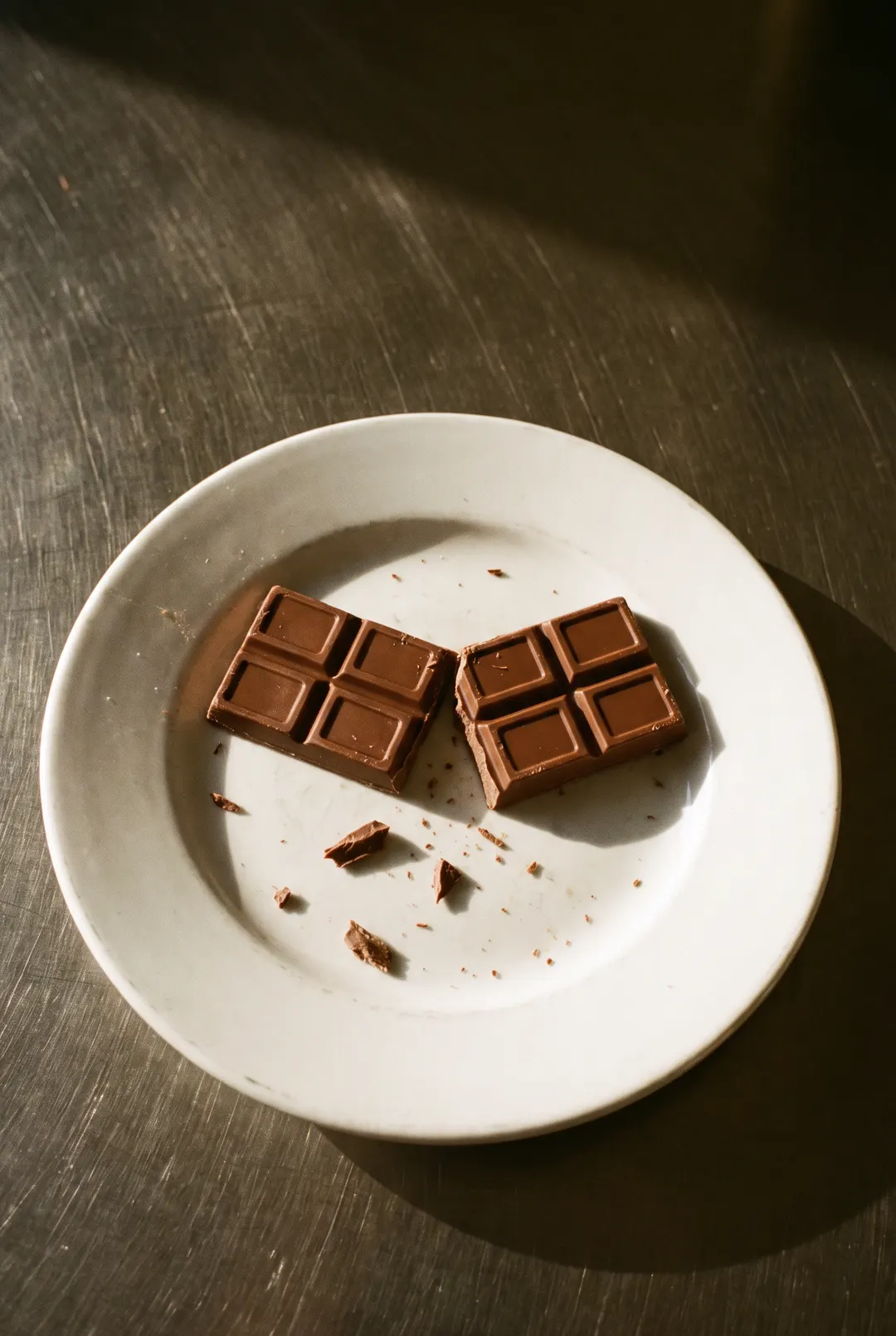
Laughing for 10 to 15 minutes burns about 10 to 40 kcal. To laugh off a single chocolate bar, you would need about an hour.
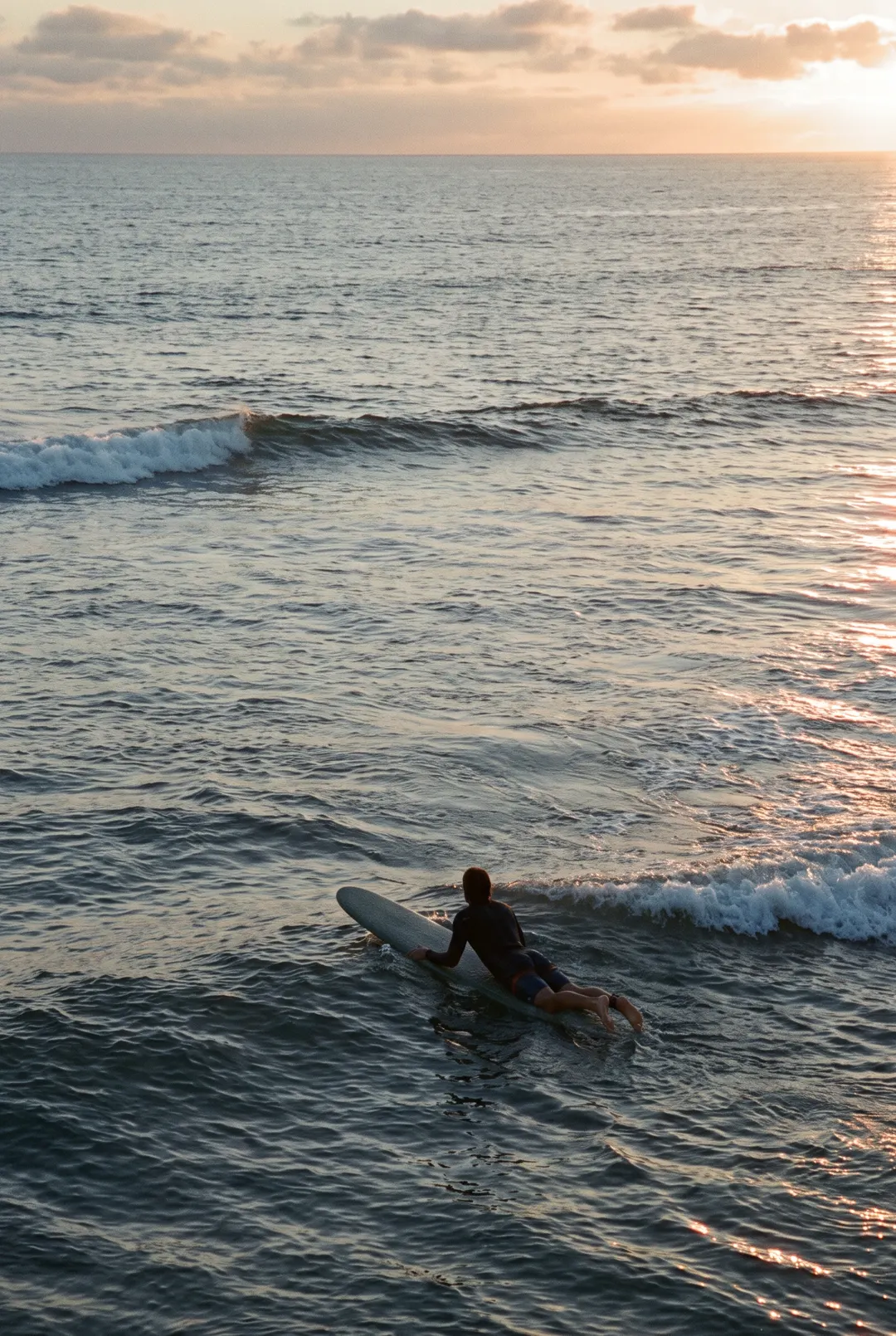
Surfers spend only about 8% of their time riding waves. More than half is paddling, and an hour of surfing burns about 220 kcal at 70 kg.
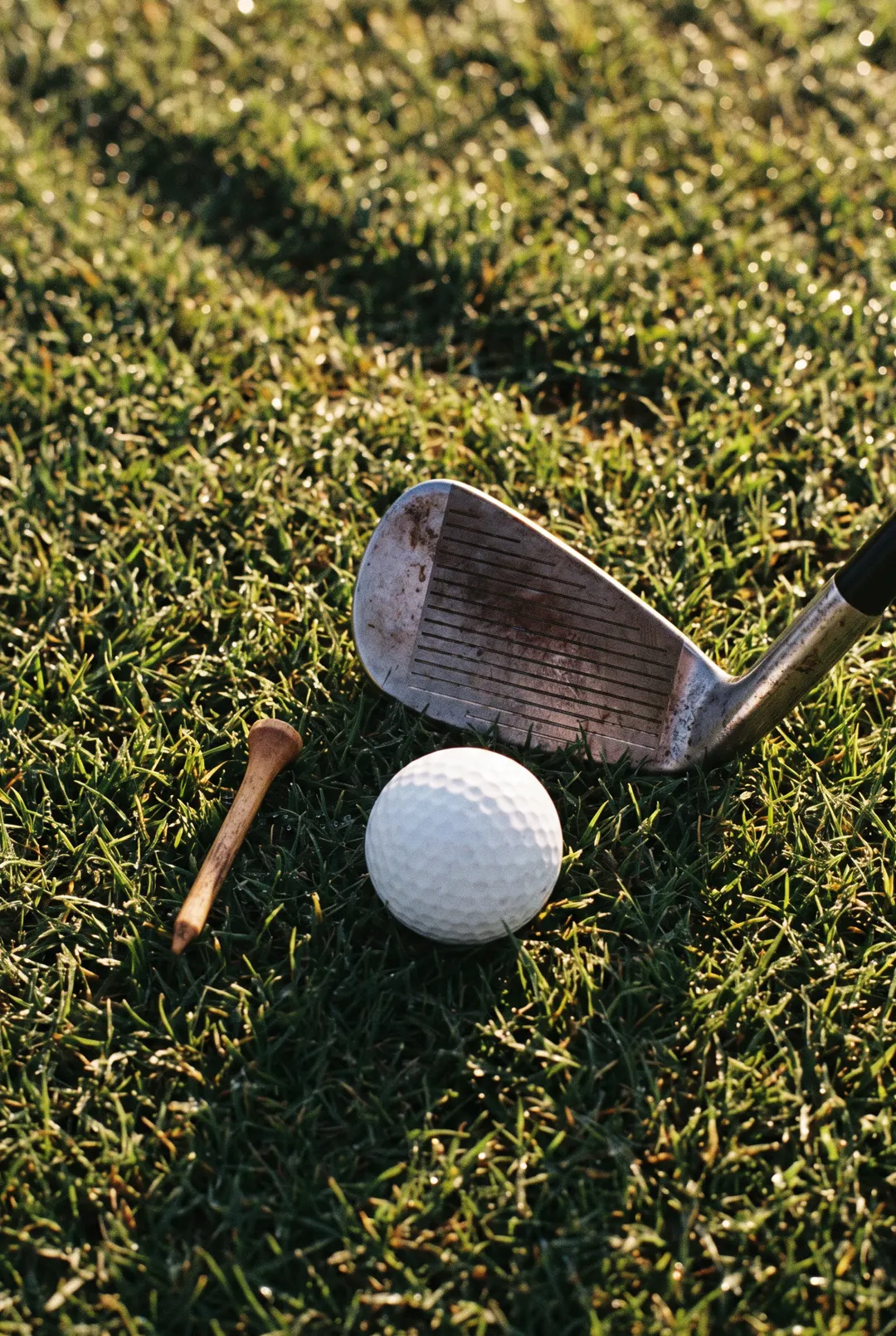
An 18 hole round of golf, walking and carrying your clubs, burns about 1,265 kcal at 70 kg. That is more than a 15 km run, it just takes four hours.

In the Compendium of Physical Activities, an hour of general house cleaning, at 3.3 MET, takes more energy than an hour of gentle hatha yoga, at 2.3.
Walking down stairs takes about half the energy of walking up. Ten minutes of climbing burns about 100 kcal at 70 kg.
Fast rope skipping, 120 to 160 skips a minute, is rated 12.3 MET, over twelve times the energy of sitting still. Ten minutes is about 125 kcal at 70 kg.
Standing burns only about 0.15 kcal a minute more than sitting. Six hours on your feet instead of in a chair adds up to about 54 kcal, half a banana.

Digesting food burns energy too. Processing protein uses about 20 to 30% of its own calories, carbs 5 to 10% and fat only 0 to 3%.
Kilo for kilo, your heart and kidneys burn about 440 kcal a day at rest. Muscle burns about 13 and body fat about 4.5.
Elite swimmers racing front crawl are rated 14.5 MET, the energy of fourteen and a half people sitting still. A relaxed 30 minute swim is about 260 kcal at 70 kg.