How many calories in a glass of wine
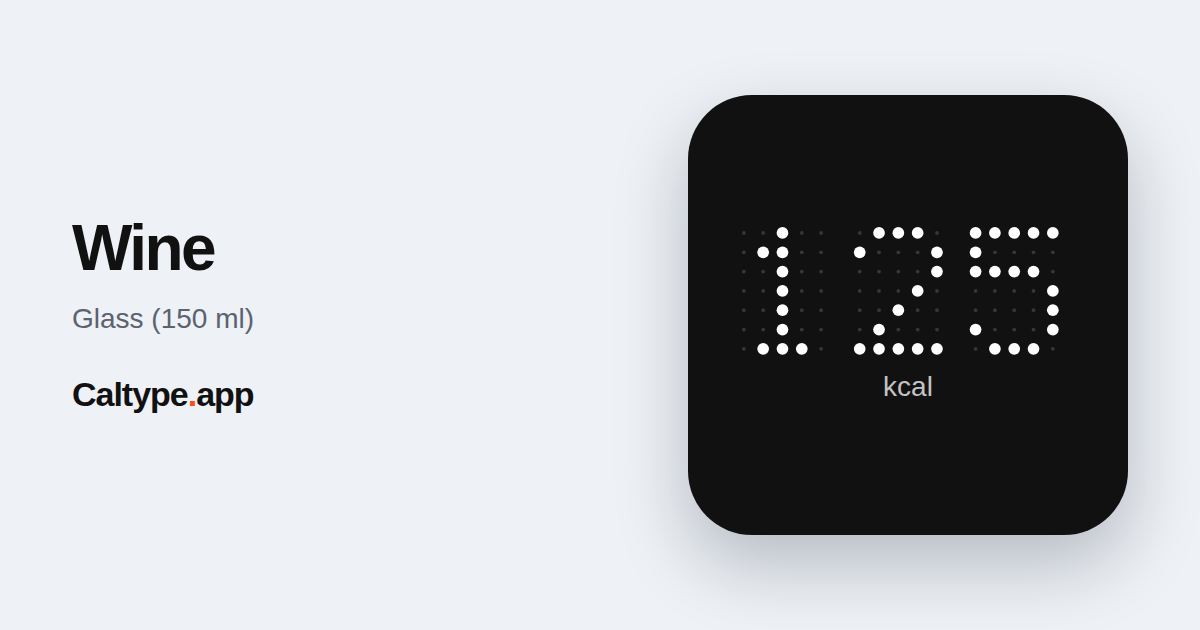
A glass of wine has 125 kcal, almost all from the alcohol.
Portion
To burn it off
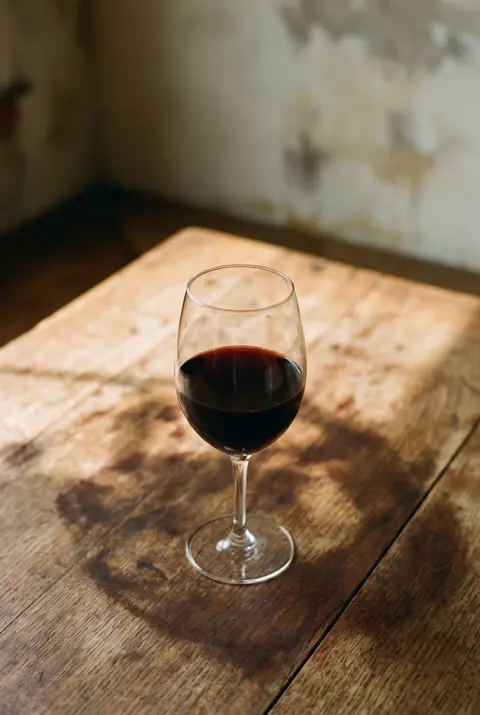
Wine's calories come from alcohol, plus a little sugar in sweeter ones. Red, white and rosé land close together.
A glass is 125 kcal and a large one is 145. A bottle shared between two is about 312 each, and nobody remembers how many glasses that was.
Pub glasses are often bigger than the one you pour at home. That's where the number drifts.
Tips
- 1Ask for the smaller glass, you'll often get a refill anyway.
- 2Make a spritzer with soda water, it goes further on a warm evening.
Where it comes from
The oldest wine found so far comes from Georgia, in the South Caucasus. Pottery jars dug up at Gadachrili Gora and Shulaveris Gora, about 50 km south of Tbilisi, held chemical traces of grape wine from around 6000 BC, roughly 8,000 years ago. The study was led by Patrick McGovern of the University of Pennsylvania Museum and published in 2017.
Read the full story · Where does our food come from? · Source: Decanter, World's oldest wine comes from Georgia, new research
Just type it
glass of red wine
In Caltype you type what you ate like a note to yourself, and it's counted for you. No weighing, no scrolling through a database.
Share
Questions
Is red or white wine higher?
They're nearly the same. A sweet wine or a stronger one is higher than a dry, lighter one.
How many calories in a bottle of wine?
About 625 kcal for a whole bottle.
Does wine have carbs?
A little, about 4 g a glass. Most of the calories come from the alcohol.
How many calories in a glass of prosecco?
A flute of prosecco, about 125 ml, is roughly 90 kcal. It's a smaller pour than a glass of wine, which is most of the difference.
Does dry wine have fewer calories than sweet wine?
A little. Dry wine has almost no sugar left in it, sweet wine keeps some. In both, the alcohol is still where most of the calories come from.
Did you know?
Four bottles of 12% wine a month add up to as much as 32,400 kcal over a year, the NHS calculates.
Drink facts · Source: NHS