What do people eat in Croatia?
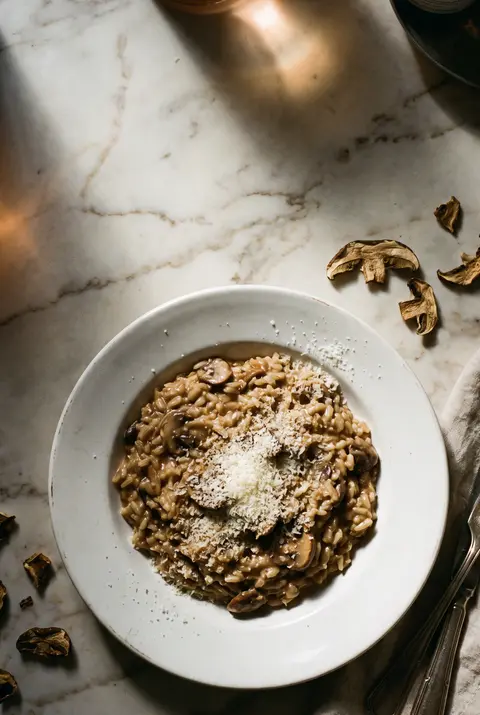
Croatians start the day with coffee and often a burek, eat their main hot meal at lunch and keep dinner lighter. The coast cooks fish, olive oil and risotto, the north stews, roasts and štrukli.
Typical dishes and their calories
Breakfast
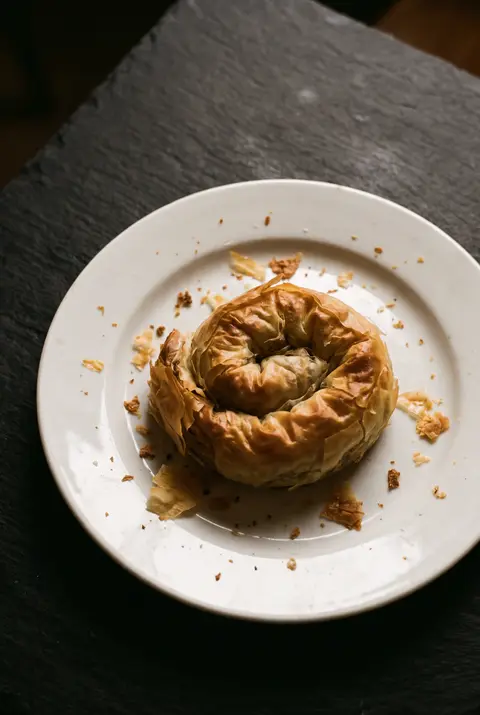
Breakfast starts with coffee. Many people pick up a burek at the bakery, flaky pastry filled with meat or cheese, with a cup of plain yogurt, about 700 kcal for a meat one. Inland it is bread with cold cuts, cheese or spicy sausage, on the coast bread with pašteta, olives and olive oil.
Lunch
Ručak is the main hot meal, often eaten at home in the afternoon after work. Before it comes a late morning break, marenda in Dalmatia and gablec in the north: a warm dish eaten with a spoon, such as a stew, beans or brudet, with bread for the sauce. Sunday lunch starts with soup and goes on to roast meat and potatoes.
Dinner
Večera is light on weekdays: bread, cheese, cold cuts or what is left from lunch. On the coast in summer dinner moves later and outdoors, with grilled fish (riba na žaru) and blitva, chard boiled with potatoes and olive oil. Feasts bring peka, lamb, veal or octopus slow cooked under an iron bell covered in embers, or pašticada, beef marinated and stewed for a day.
Starters
A bigger meal opens with a plate of pršut, the dry cured ham of Dalmatia and Istria, with Paški sir, a sheep's cheese from the island of Pag aged up to 18 months, and olives. On the coast there are salted anchovies, in Slavonia slices of kulen, a paprika sausage. Inland, Sunday lunch begins with a clear beef or chicken soup.
Desserts
Fritule are small doughnut balls with rakija, lemon zest and raisins, dusted with sugar, about 330 kcal for 100 g, and every Christmas market has them. Zagreb has štrukli, dough filled with cottage cheese and cream, baked or boiled. Dubrovnik has rožata, a custard close to crème caramel, and Samobor has kremšnita, a custard slice.
Drinks
Coffee is a sit down affair, an espresso or a white coffee over an hour on a café terrace. Guests are offered rakija, a fruit or herb brandy such as šljivovica or travarica. Wine is often mixed with water: bevanda (wine with still water) in Dalmatia, gemišt (white wine with sparkling water) in the north. Ožujsko and Karlovačko are the usual beers.
Street food
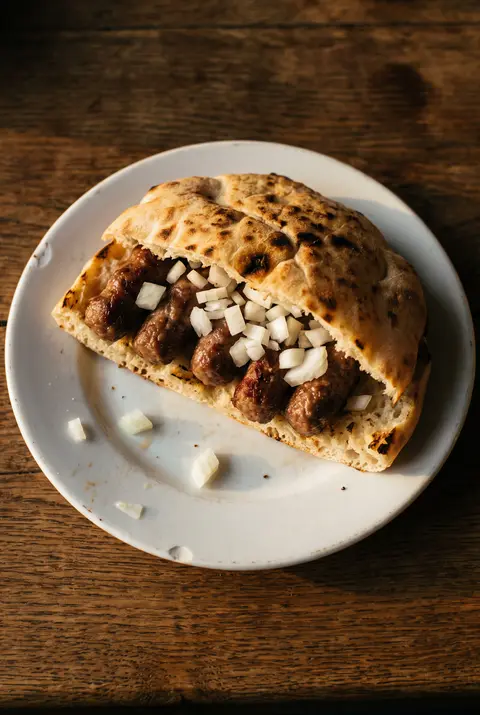
The bakery is the snack bar: burek, pizza slices and filled rolls at any hour. Ćevapi, small grilled rolls of minced meat, come in a lepinja flatbread with raw onion and ajvar, about 640 kcal a portion. In summer coastal towns sell paper cones of fried squid (lignje), around 350 kcal.
Normal there, odd elsewhere
Going for coffee (idemo na kavu) means meeting someone, and one small cup can last an hour or two. Wine mixed with water is the normal way to drink it with a meal, not a sign of cheap wine. Cold pizza from the night before and burek with drinking yogurt are both ordinary breakfasts.