How many calories in tonic water
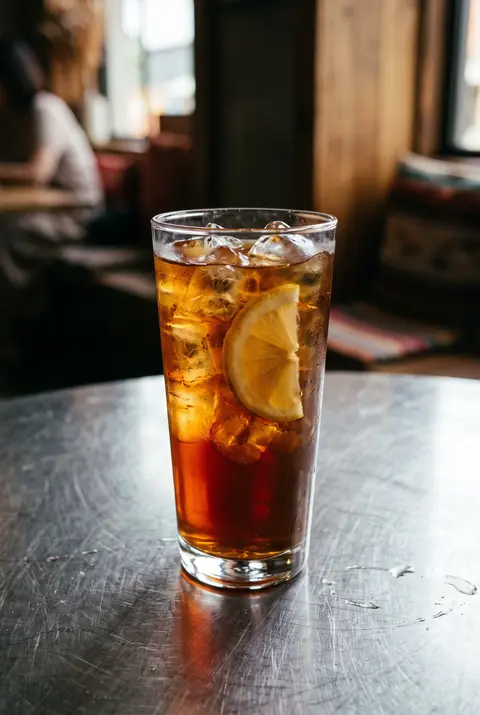
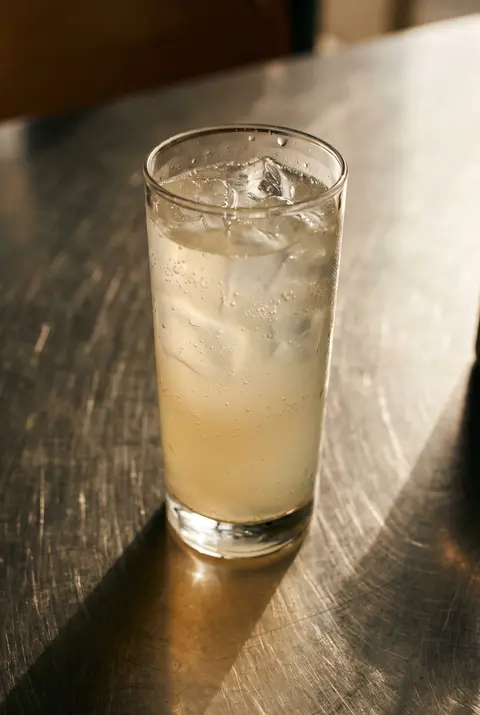
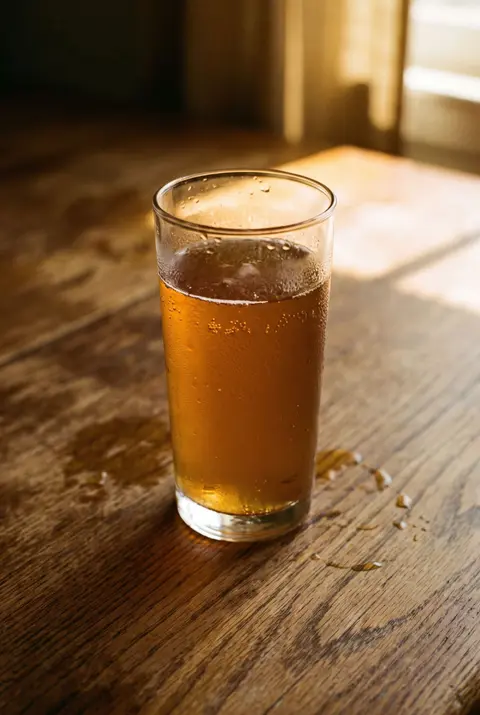
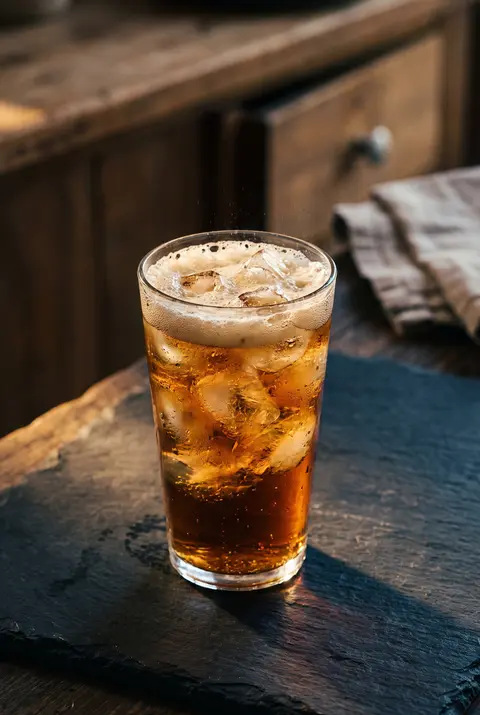
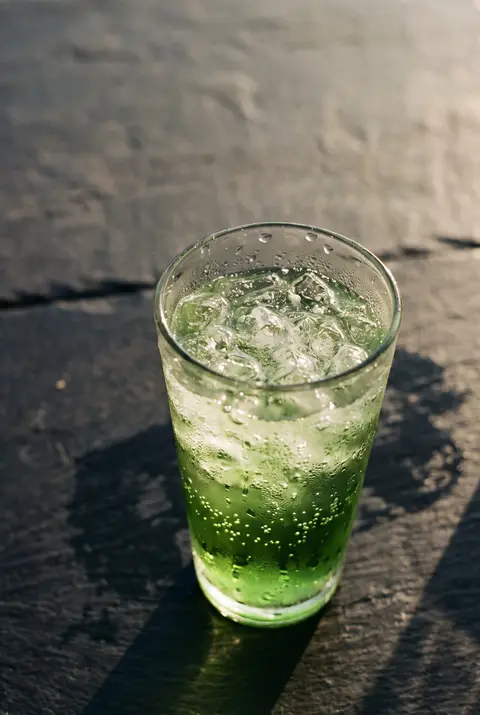
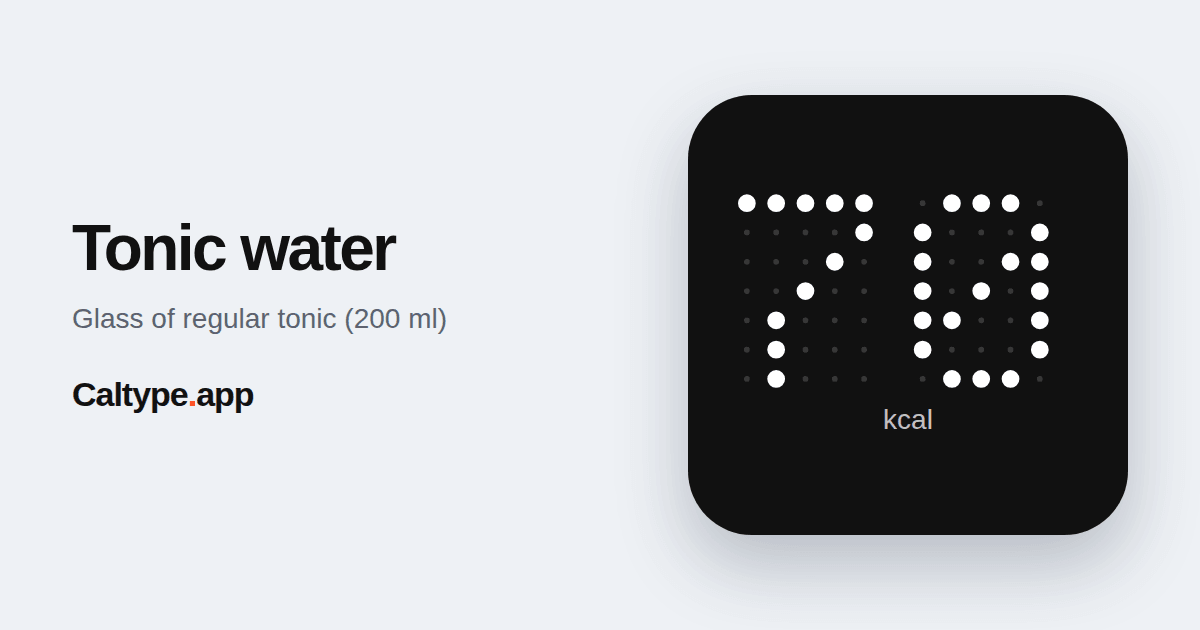
A 200 ml glass of regular tonic water has about 70 kcal, all from sugar.
Portion
To burn it off
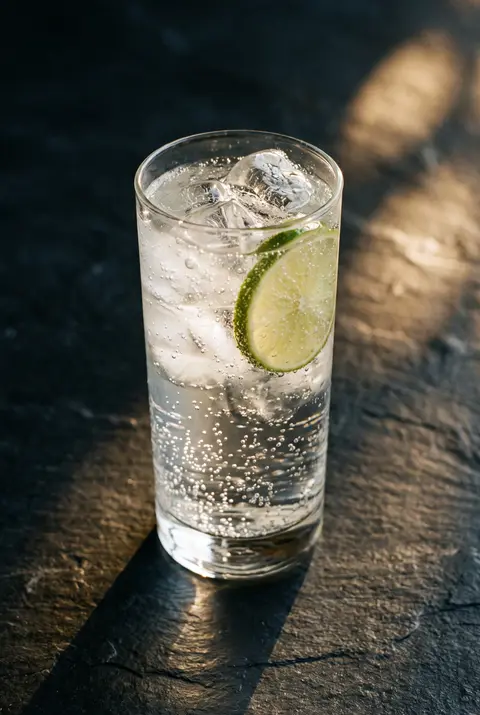
Tonic is fizzy water with quinine for the bitter taste and a fair bit of sugar to balance it. People think of it as a mixer and forget it's a soft drink.
A glass is about 70 kcal and 18 g of carbs, with no protein and no fat. In a G and T, the tonic can be as many calories as the gin.
A few doubles over an evening means a few bottles of tonic too. The light versions taste almost the same these days.
Tips
- 1Ask for slimline or light tonic, it's on every bar's mixer shelf.
- 2Use half tonic, half soda water, with lots of ice and lime.
- 3Pour your own and stop at a small bottle rather than topping up from a big one.
Where it comes from
Tonic water began as medicine. British officers in India in the 1800s took quinine, from the bark of the South American cinchona tree, to fight malaria, and mixed the bitter stuff with soda water, sugar, lime and often gin. Schweppes started selling Indian Tonic Water in London in 1870. Today's tonic has far too little quinine to protect anyone.
Where does our food come from? · Source: Saveur, Healing Waters
Just type it
gin and tonic
In Caltype you type what you ate like a note to yourself, and it's counted for you. No weighing, no scrolling through a database.
Share
Questions
Is tonic water high in sugar?
Regular tonic has about 18 g of carbs a glass, all of it sugar. Slimline has almost none.
How many calories in a litre of tonic?
About 350 kcal, five glasses' worth.
Is tonic the same as soda water?
No. Soda water is just fizzy water with no calories. Tonic has sugar and quinine.
How many calories in a small 150 ml can of tonic?
About 52 kcal, all from sugar. The light versions are close to zero.
Why does tonic water glow under UV light?
The quinine in it fluoresces under ultraviolet light and gives off a blue glow. Light tonic glows just as much, the sugar has nothing to do with it.
Did you know?
Tonic water glows blue under a black light. The quinine in it soaks up UV and gives it back as visible light, so your gin and tonic glows too.
Drink facts · Source: UCAR Center for Science Education