How many calories in cheese
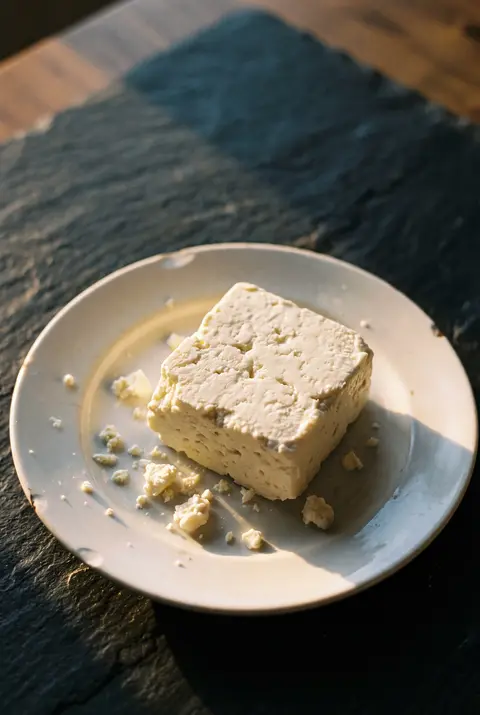
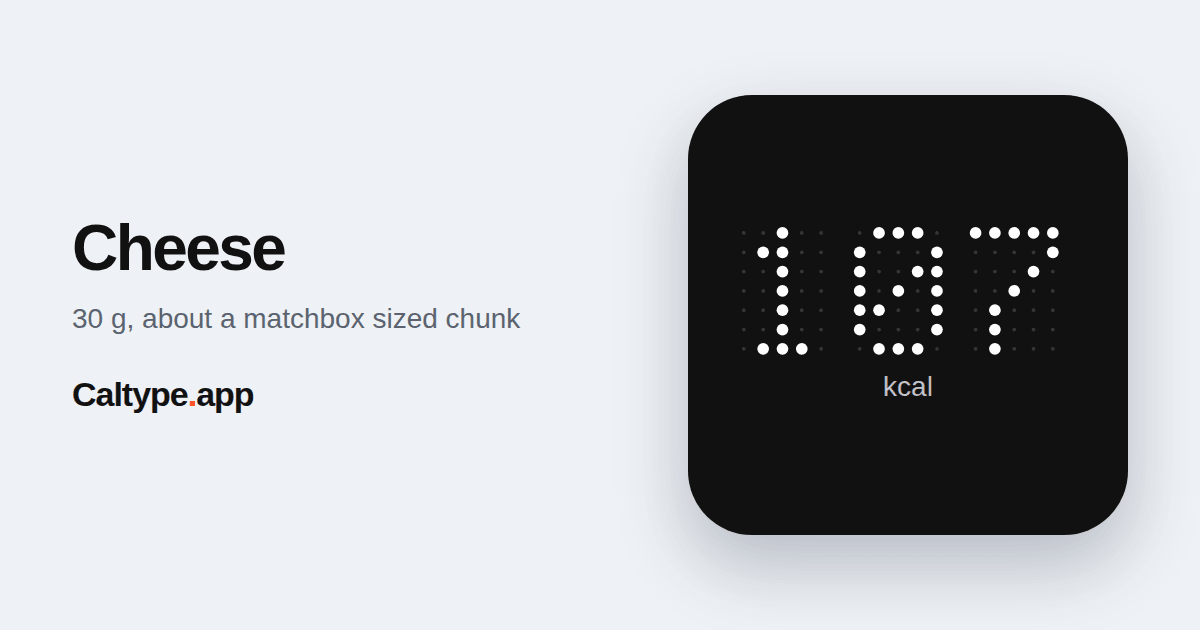
A 30 g piece of cheese has 107 kcal, with 7 g of protein and no carbs.
Portion
To burn it off
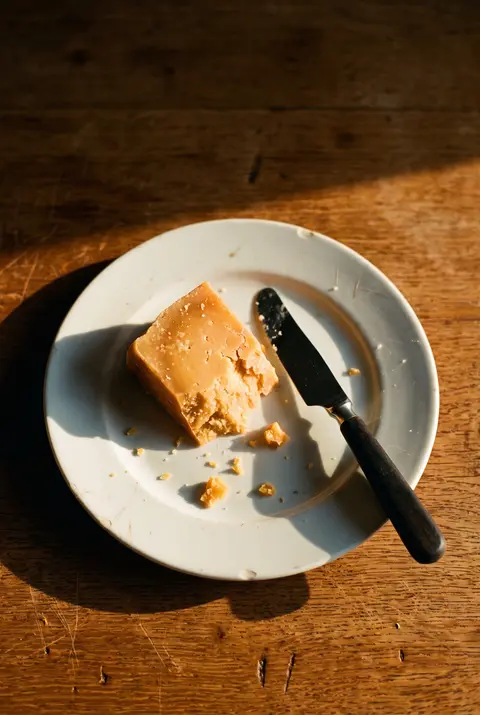
Hard cheese like cheddar or gouda is protein and fat with practically no carbs. It's dense, which is why a small piece is already a fair few calories.
30 g is 107 kcal and a slice is 72. Two slices in a sandwich is 144, before the bread or the butter.
Nobody weighs cheese. A chunk off the block while you're cooking is usually more than 30 g, which is fine, it's just worth knowing.
Tips
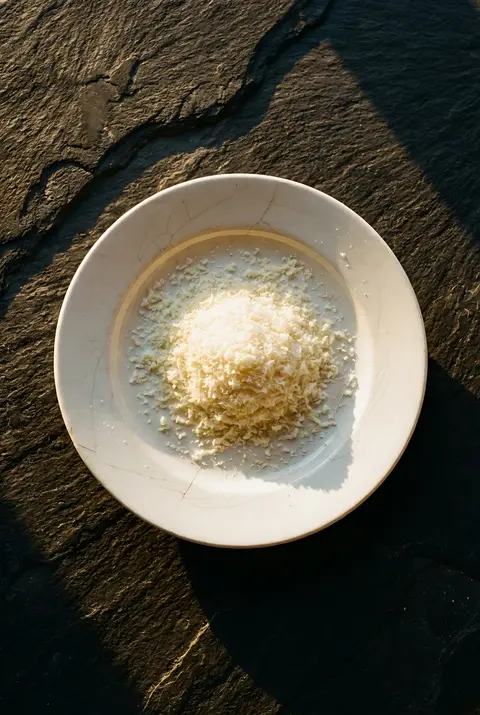
- 1Grate it rather than slicing it, the same amount covers far more.
- 2Go for a strong mature cheddar, you need less to taste it.
- 3Put the block back in the fridge before you sit down with the crackers.
Where it comes from
Nobody knows who made the first cheese, but the oldest hard evidence is about 7,000 years old. In the Kuyavia region of Poland, archaeologists found clay sieves full of tiny holes, and traces of milk fat in them showed they were used to strain curds. Cheese had a clear advantage back then: it holds far less lactose than milk, and most adults at the time could not digest it.
Where does our food come from? · Source: University of Bristol, first cheese making in Northern Europe (study in Nature, 2012)
Just type it
2 slices of cheddar
In Caltype you type what you ate like a note to yourself, and it's counted for you. No weighing, no scrolling through a database.
Share
Questions
How many calories in a slice of cheese?
A 20 g slice has about 72 kcal.
How much protein is in cheese?
About 7 g in 30 g, so it's a handy bit of protein.
Is light cheese worth it?
It's lower in fat and calories, so if you eat a lot of cheese the gap adds up over a week.
Does hard cheese have lactose in it?
Very little. Most of the lactose goes off with the whey when cheese is made and the rest breaks down as it ages, so aged cheddar, gouda and parmesan have hardly any.
Can you eat the rind on cheese?
Natural rinds, like on brie or camembert, are fine to eat if you like the taste. Wax and plastic coatings, like on gouda or small cheeses in red wax, are not.