Who invented the gin and tonic?
No single person did. Tonic water was patented in 1858, and the first known mention of a gin and tonic is from a horse race in British India, printed in 1868.
Gin and tonicSingle, with tonic158kcal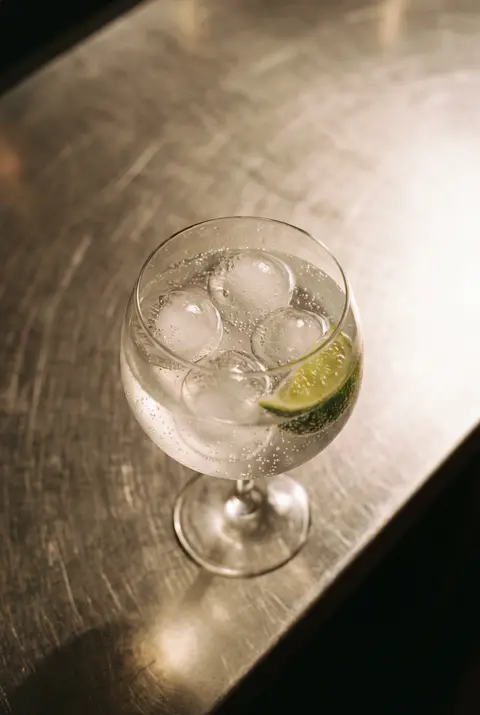
A bitter bark from Peru
The story starts with a tree. Researchers at the University of Bristol explain that people in South America had used powdered cinchona bark against fevers for hundreds of years before Spanish settlers noticed in the 16th century. Jesuits brought the bark to Europe around 1630. Malaria, then called the ague, was common in parts of England such as the Cambridgeshire Fens. In 1820 chemists pulled the active part out of the bark. They called it quinine, and it was very bitter.
Medicine first
In the 18th century the Scottish doctor George Cleghorn studied how quinine could prevent malaria, not only cure it. Country Life, quoting the drinks historians Walker and Nesbitt, says the British Army began giving quinine in tonic water in the 1850s. The daily dose was one to two grains, about 65 to 130 milligrams, often in sherry. Soldiers used whatever spirit was handy. An 1863 report from India and Ceylon describes quinine given in arrack, a local spirit, and the navy took its dose with rum.
The legend and the record
The famous story says officers in India washed their quinine down with gin and soda, some say as early as 1825. Walker and Nesbitt found no record to support it. What is on record: Erasmus Bond patented a quinine tonic water in 1858. The gin sling, with gin, soda, sugar, ice and citrus, was around from at least 1829. Then, in 1868, the Oriental Sporting Magazine printed gin and tonic as a drink called out at a horse race in Sialkot. How the two met is, in their words, frustratingly poorly documented.
A drink for hot evenings
Every 19th century mention of a gin and tonic found so far comes from India, many with army links. By 1870 Schweppes was calling its product Indian Tonic Water. Through the 1870s and 1880s people drank it to cool down, not as medicine. By the 1880s cheap quinine was coming from plantations in India, Sri Lanka and Java. In 1881 a South African paper, The Lantern, poked fun at a newly arrived Englishman, known by his swagger and his gin and tonic.
What is in your glass now
Modern tonic is much gentler. Country Life reports that a tonic water today holds at most 83 milligrams of quinine per litre, so a glass would need five to ten times more to protect anyone. In a light hearted 2004 trial, volunteers drank half a litre to a litre of tonic in fifteen minutes and got only a brief, small effect. So the drink kept the bitter taste and dropped the medicine. A typical serve is still the same idea: a measure of gin, tonic and ice.