How do F1 drivers train and eat?
Neck work almost every day, plenty of cardio, training in the heat and a diet set with a nutritionist, all to hold up under as much as 6 G and close to two hours with the heart above 150 beats a minute.
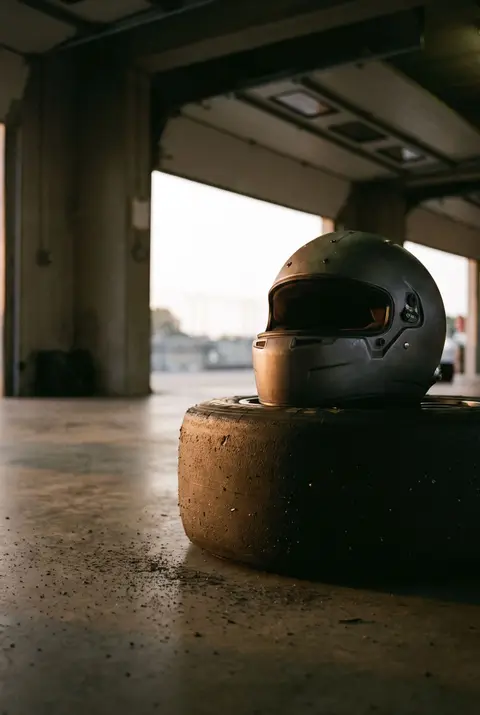
Why a driver needs a strong neck
Through fast corners drivers carry 4 to 5 G for long stretches, with peaks near 6, and Formula 1 says Lewis Hamilton hit 5.6 G at Mugello in 2020. Under hard braking they push up to about 160 kg into the pedal while their body feels about six times its own weight. A 2026 review in the British Journal of Sports Medicine found drivers are not unusual in aerobic fitness, height or weight, and that what stands out is neck strength.
The neck work
Lando Norris does neck training at least five times a week, his trainer John Malvern told Formula 1. Drivers use resistance bands around the head, weighted helmets and special machines, and can lift up to 40 kg with the neck alone. Sebastian Vettel's former coach Antti Kontsas put it simply: you need to see where you are going, and a head that moves costs time.
Heart and lungs
A race keeps the heart high: above 170 beats a minute for long stretches, Formula 1 says, and a study of one driver at the 2013 Australian Grand Prix measured 148 to 163 for the whole race. Dr Riccardo Ceccarelli of Formula Medicine told Pirelli that this is why long cycling sessions joined the gym work. Before the season drivers do a three minute all out run, and anything past 900 metres counts as outstanding.
Training for the heat
Formula 1 says cockpits can pass 60 °C, so heat is part of the job. Norris rides a bike in a heated room while his body is monitored, and Leclerc's trainer has said they use saunas in the weeks before Singapore. The review in the British Journal of Sports Medicine notes that much of this rests on experience rather than data, because there are so few measurements of drivers.
What they eat
There is no single F1 diet. Mercedes told ESPN its drivers have their own nutrition plan alongside the team kitchen, and George Russell's trainer Aleix Casanovas told The Paddock Journal that his eating is guided by blood tests through the year. Since 2019 a driver counts for at least 80 kg in race kit, with ballast for the rest, so there is less pressure to be as light as possible, and a 90 minute race at about 935 kcal is worth eating for.